
Clear Progression
Build familiarity one step at a time instead of beginning from zero in every class.

Ashtanga Yoga can be an excellent practice for beginners when it is taught progressively, adapted thoughtfully, and shaped around the person—not around pressure to perform a perfect sequence.

Despite its reputation as a physically demanding practice, Ashtanga can offer beginners a clear and supportive path when it is introduced one step at a time.
At The Yoga Shala, students begin with the foundations and receive guidance shaped around their age, experience, movement history, injuries, goals, and current capacity. The key is progressive learning—not trying to master everything at once.
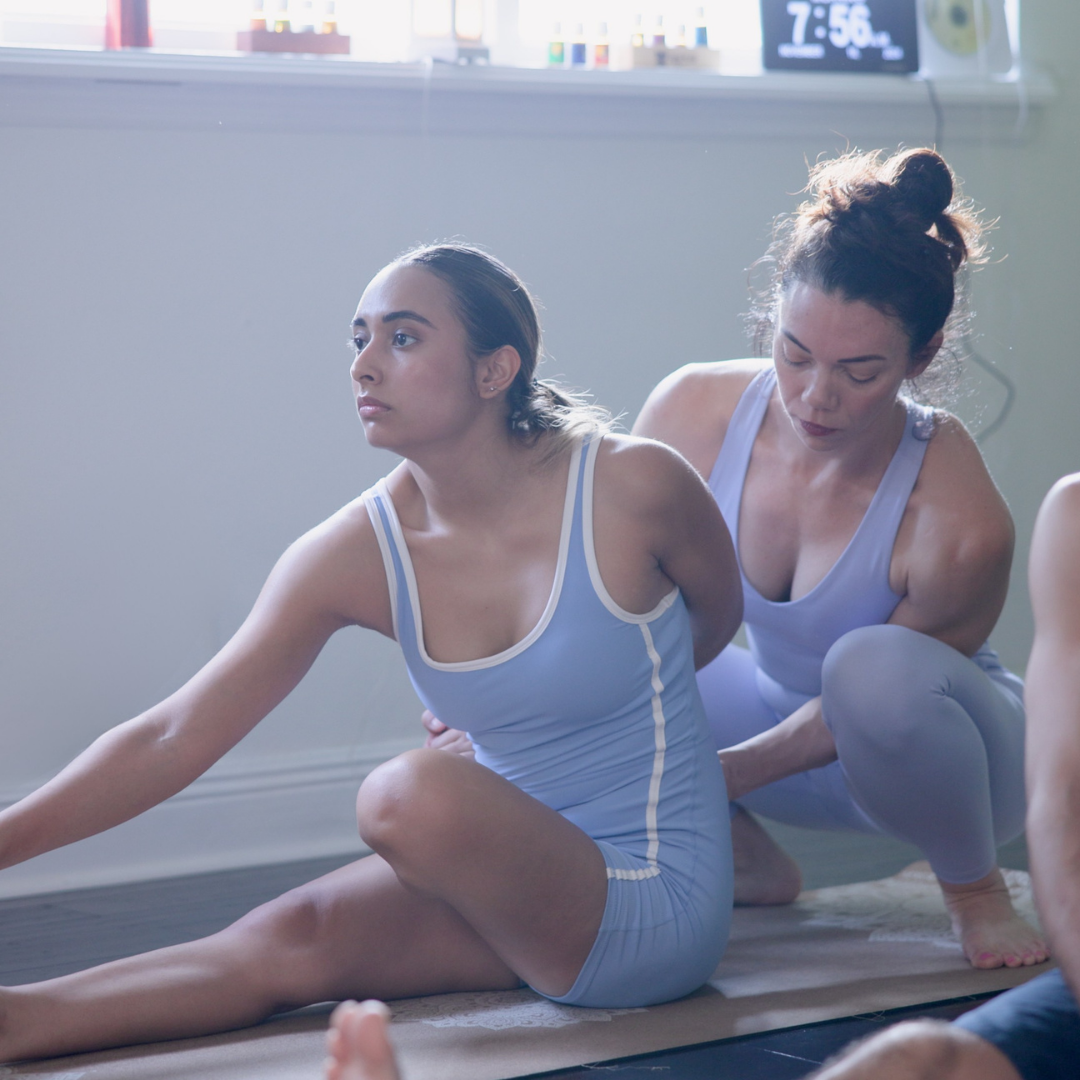
Ashtanga Yoga is a traditional system that brings posture, breathing, focused gaze, concentration, and consistent practice together. Unlike classes that introduce an entirely different sequence each day, Ashtanga follows an intentional progression of postures.
The consistency gives students time to learn. As the sequence becomes familiar, you can pay closer attention to your breathing, movement, effort, and response—rather than constantly trying to follow new choreography.
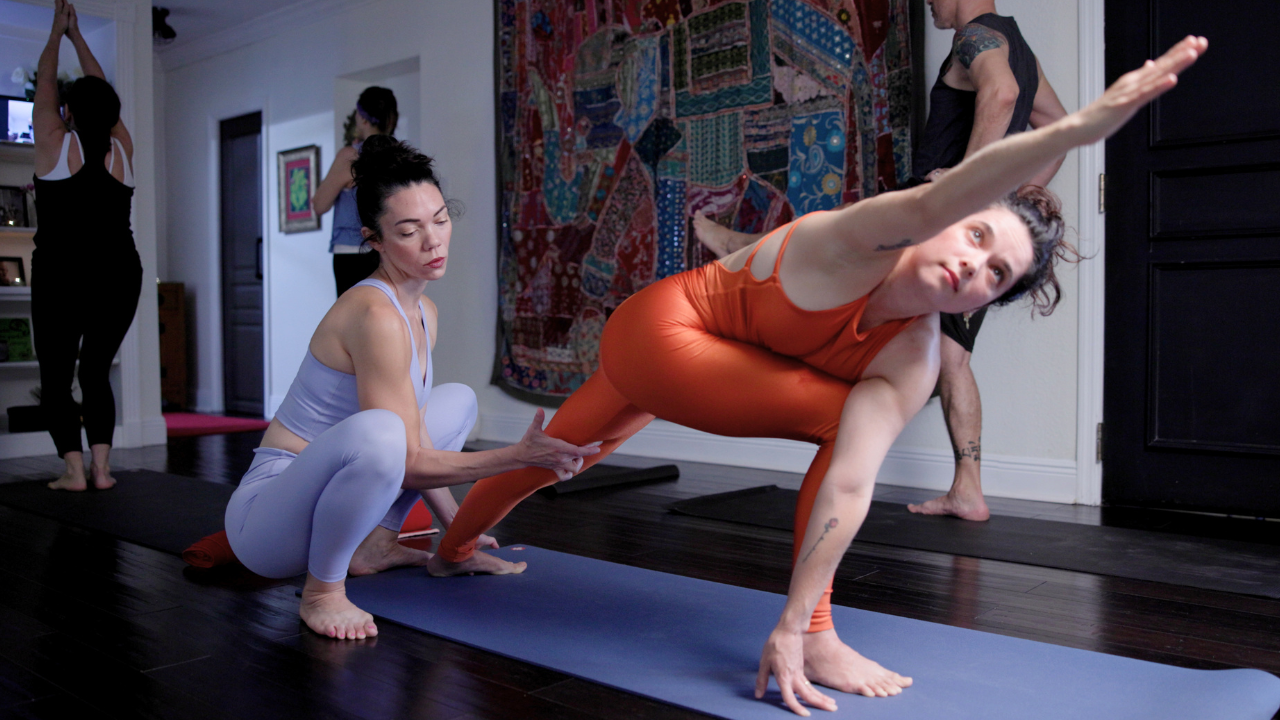
Ashtanga is a lineage-based practice that has been transmitted through generations of teachers and students. Each posture, breath, and movement has a place within a larger method, and each part prepares the practitioner for what follows.
At The Yoga Shala, students are introduced not only to postures, but also to breathing, Sanskrit terminology, concentration, and the cultural roots of the practice. The tradition is honored without asking every body to look or move the same way.
Many beginners appreciate knowing what comes next. The practice becomes more familiar over time, allowing progress to be measured through steadier breath, better awareness, greater capacity, and a deeper relationship with the work.
Build familiarity one step at a time instead of beginning from zero in every class.

Develop useful strength through the core, shoulders, hips, legs, and coordinated whole-body movement.

Improve movement quality, joint mobility, and flexibility through consistent, progressive practice.

Use breath, gaze, and repeated movement to organize attention and quiet mental chatter.

Create time to breathe, focus, move, and return to a steadier relationship with yourself.
Mysore Style is the traditional method of learning Ashtanga Yoga. Rather than following a teacher through every movement as one large group, students practice at their own pace while the teacher moves through the room offering individual instruction.
This means a complete beginner can practice beside an experienced student without being expected to do the same postures, move at the same speed, or remain for the same length of time.
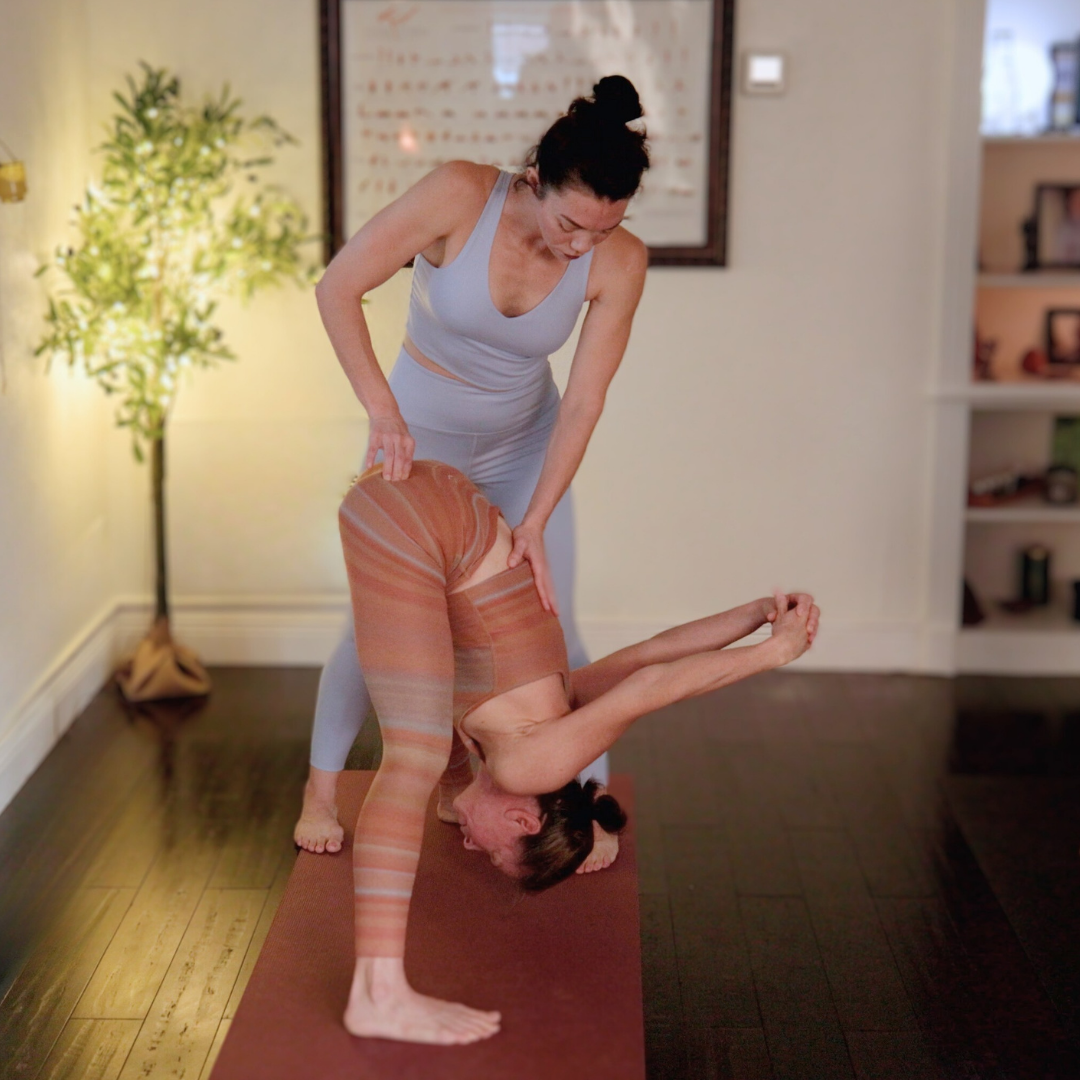
You do not need to touch your toes, sit comfortably cross-legged, or perform advanced postures before beginning. Many students arrive feeling stiff, tight, uncertain, or limited in their movement.
Yoga can help improve flexibility and mobility. You are not required to arrive with them already.
Our Mysore program gives beginners a structured way to learn while still receiving personal attention. The teacher can observe your breathing, movement patterns, confidence, and capacity over time—and respond to what is actually happening.
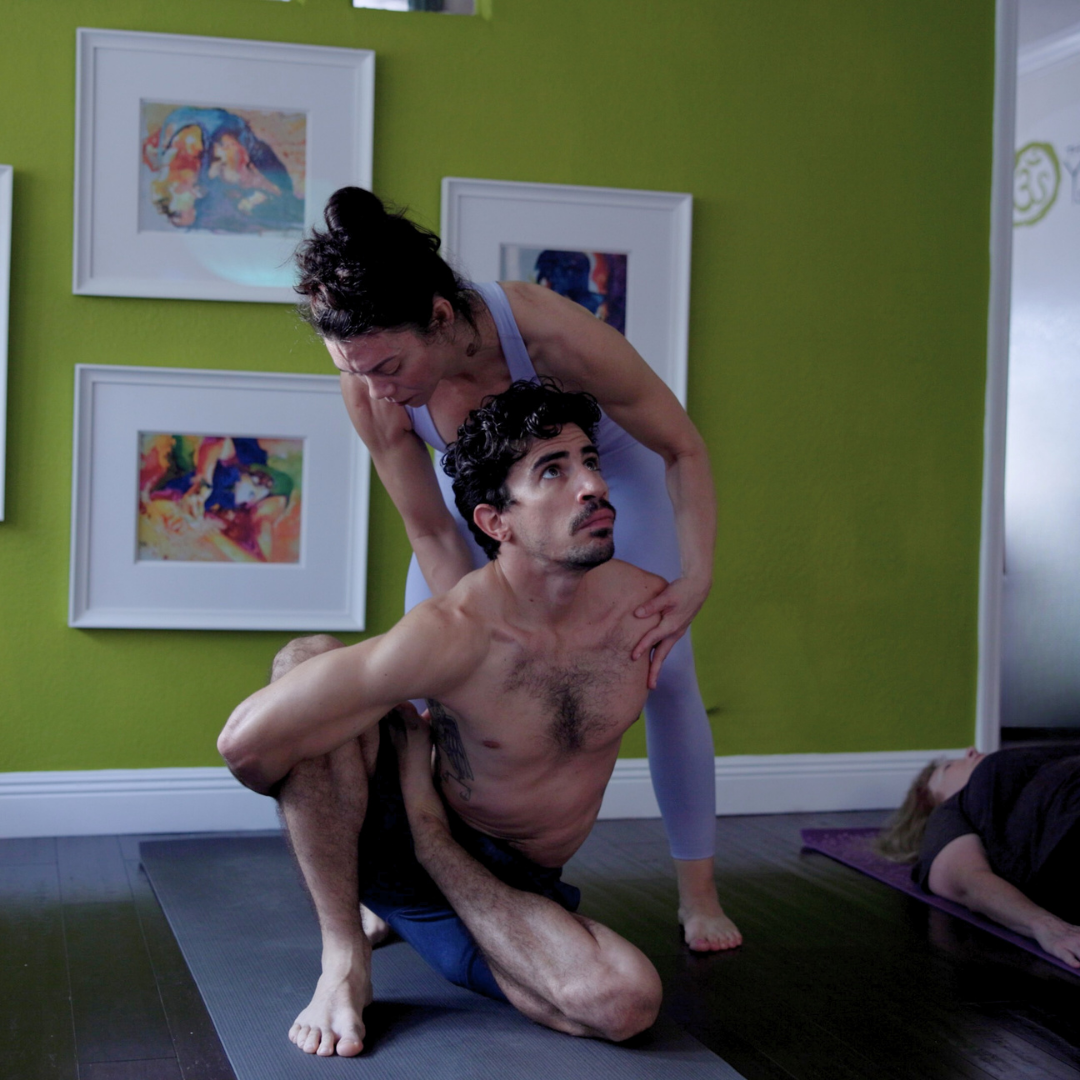
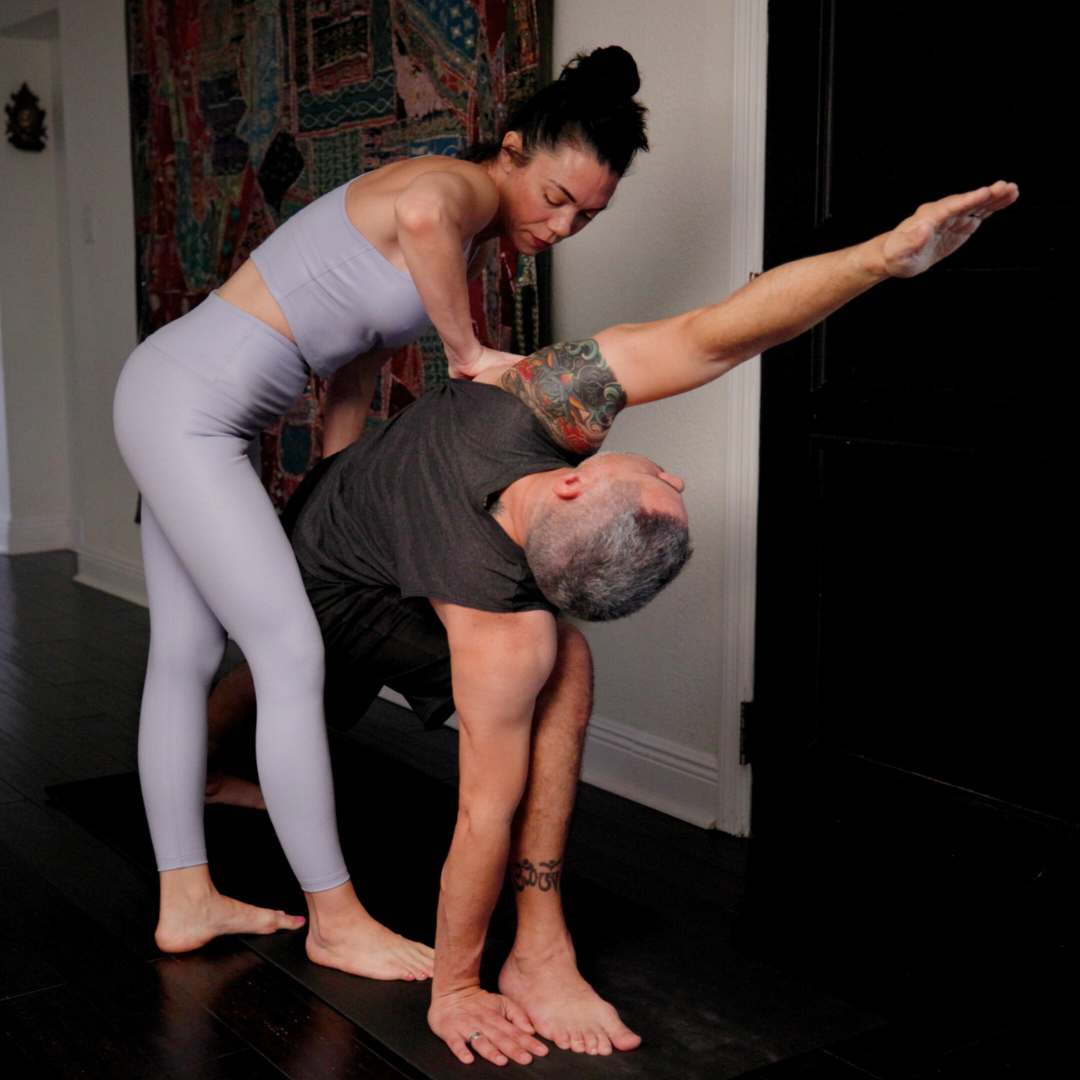

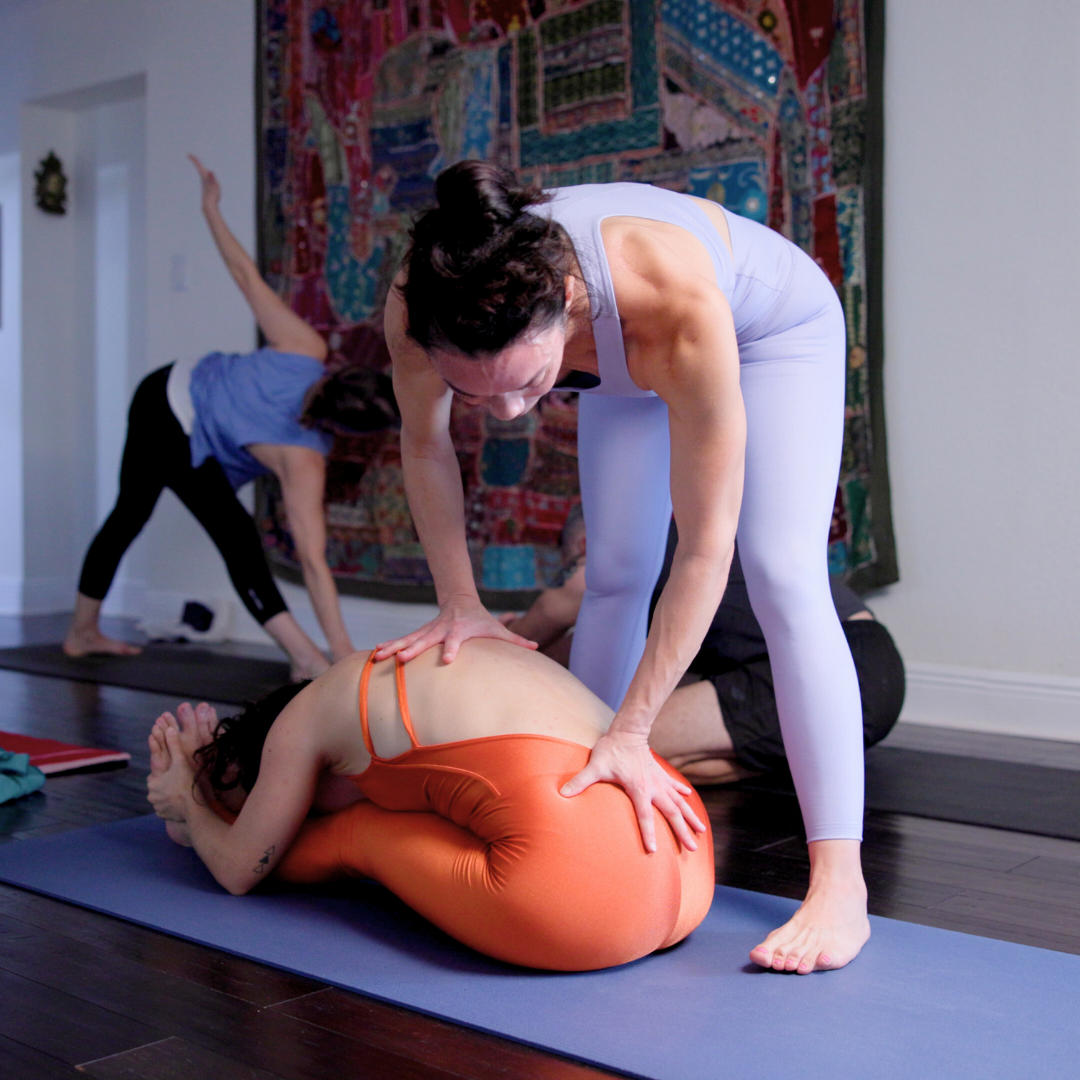
Instruction can respond to your structure, experience, injuries, goals, and how your body is moving today.
You are not expected to memorize the entire sequence or perform postures your body is not ready to learn.
The room is warm, encouraging, non-dogmatic, and designed to help beginners develop confidence over time.

Your first experience is focused on learning the foundations—not proving how much you can do. Most new students practice for approximately 45–60 minutes and gradually learn more as the practice develops.
The practice develops through consistency, curiosity, and the willingness to learn—not through arriving flexible, fearless, or already in perfect shape.
No. Flexibility is not required before beginning yoga. The practice can help you gradually develop mobility and flexibility while learning how to move with greater awareness.
Not before you begin. The teacher shows you what to do and helps you learn the sequence gradually. Familiarity develops through repetition over time.
Most first-time students practice for approximately 45–60 minutes. Practice length can gradually increase as you learn additional postures and develop greater capacity.
Tell the teacher about your injury, symptoms, and relevant medical guidance before beginning. Mysore-style instruction allows the teacher to offer modifications and determine an appropriate starting point.
Start with four classes for $50 and discover a traditional practice taught with personal attention, thoughtful progression, and genuine care for the person in front of us.
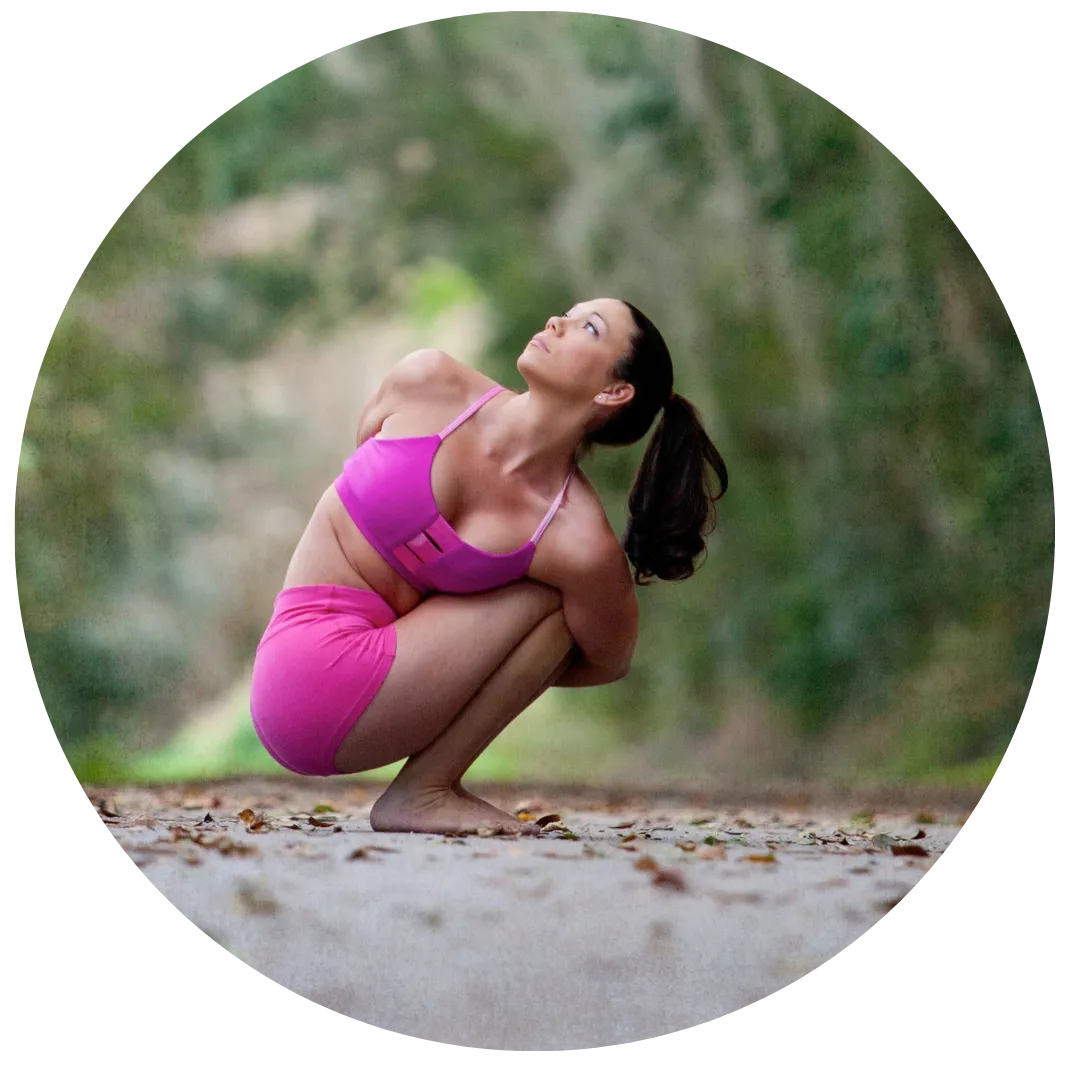
The Yoga Shala is a body movement studio with a specialized approach, customizing each client's class experience, based on their goals and needs. Our goal is to foster a lighthearted, non-dogmatic, warm and encouraging environment.
Address
Call Us
Contact Us


© 2026 The Yoga Shala - All Rights Reserved.