Pause the routine
Step away from the usual sequence and the momentum of accomplishing postures.

In the Ashtanga tradition, practitioners rest from their regular asana practice on the new and full moon. The day is not a break from yoga—it is an invitation to notice, restore, and return with renewed attention.
A moon day is the date of a new moon or full moon. In many traditional Ashtanga Yoga schools, the usual six-day rhythm of asana practice pauses on these days. Mysore classes are not held, and students return to practice the following day.
The observance creates a built-in rhythm of recovery. It also reminds us that consistency does not mean forcing the same effort every day. A sustainable practice includes the intelligence to pause.
Step away from the usual sequence and the momentum of accomplishing postures.
Observe breath, energy, attention, and your relationship to practice without needing to perform it.
Come back the next day refreshed rather than treating rest as lost progress.
Traditional yogic language often describes the two phases through the complementary movements of apana and prana. These are ways of interpreting experience within yoga—not medical predictions about how every person will feel.
The new moon is traditionally compared with the end of an exhalation: a quieter, contracting, downward-moving quality. Practitioners may use the day for stillness, reflection, and restoration.
The full moon is traditionally compared with the top of an inhalation: an expansive, upward-moving quality. The practice pauses rather than asking the body to direct that fullness into a demanding sequence.
The moon’s relationship to ocean tides is well established. Claims that moon phases reliably cause injuries, emotional changes, or predictable physiological effects in people are not established in the same way.
At The Yoga Shala, we observe moon days because this is how the Ashtanga method was transmitted to us and because a regular pause can be meaningful. We hold the energetic language of prana and apana as part of the tradition and as an invitation to observe your own experience—not as something you must believe or feel.
A shared rhythm, respect for lineage, permission to recover, and an opportunity to relate to practice with less force.
Pay attention. Notice whether the day feels different—or not. The observance does not require a dramatic experience to be worthwhile.
You may keep the same early hour and the same quiet space without doing your regular sequence. The point is not to replace one demanding practice with another.
Sit quietly, follow the breath, or return to a familiar meditation without making the session another performance.
Write about what you are noticing in your body, your attention, or your relationship to effort and rest.
Spend time outside without turning the walk into a workout. Let attention widen and the nervous system settle.
Read, chant, listen, or revisit an aspect of yoga that is usually overshadowed by physical practice.
The observance applies to the traditional Ashtanga asana rhythm. It is not a command to avoid every form of movement or ordinary life.
Check the annual moon-day calendar, then return to your next Mysore practice with curiosity rather than urgency.
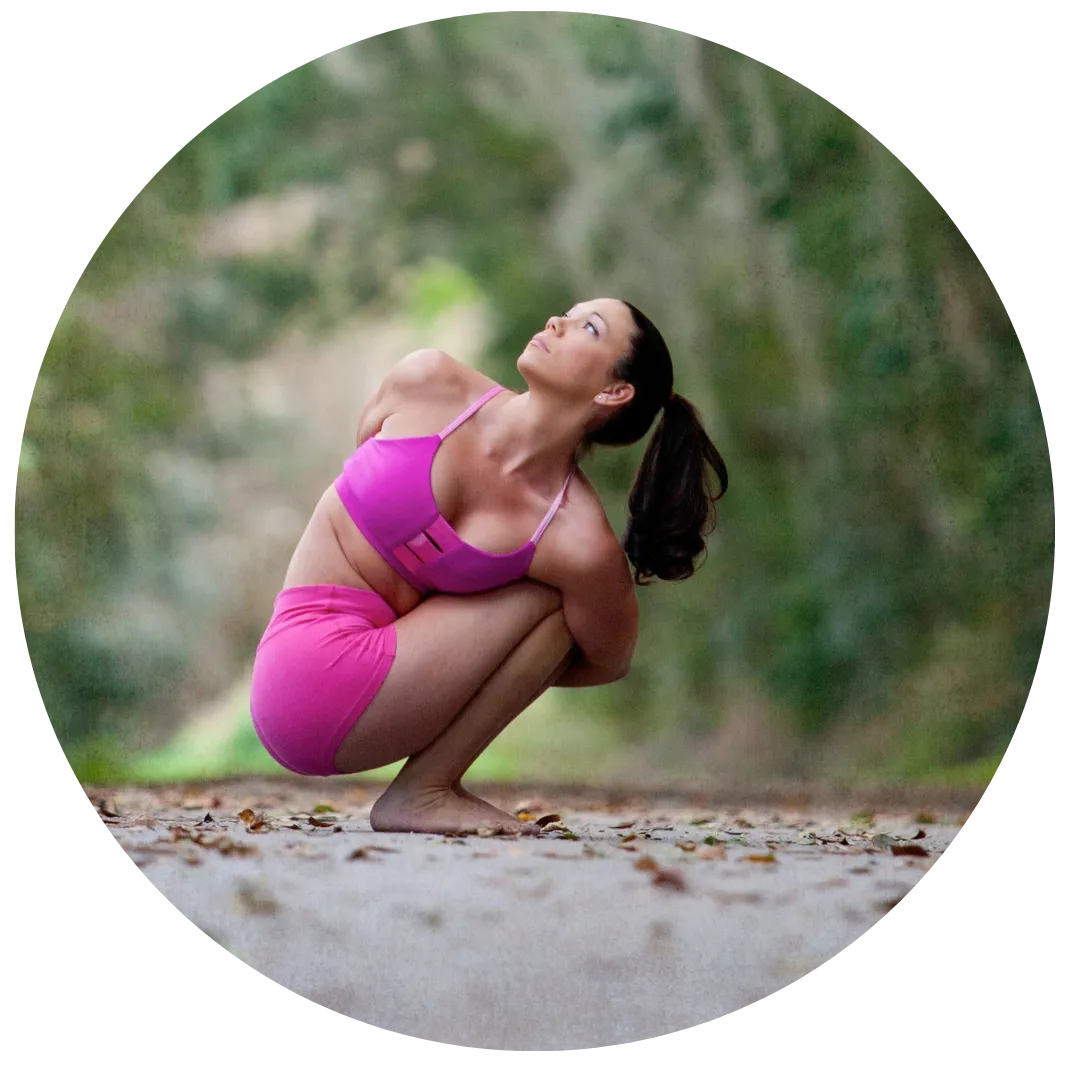
The Yoga Shala is a body movement studio with a specialized approach, customizing each client's class experience, based on their goals and needs. Our goal is to foster a lighthearted, non-dogmatic, warm and encouraging environment.
Address
Call Us
Contact Us


© 2026 The Yoga Shala - All Rights Reserved.