Support
Organize the pelvis, abdomen, spine, breath, and movement from within.

Ashtanga Yoga Fundamentals · Bandhas
Traditionally described as internal or energetic locks, bandhas help organize breath, posture, stability, and attention. They are not hard muscular contractions. They are subtle actions that are gradually understood through practice.
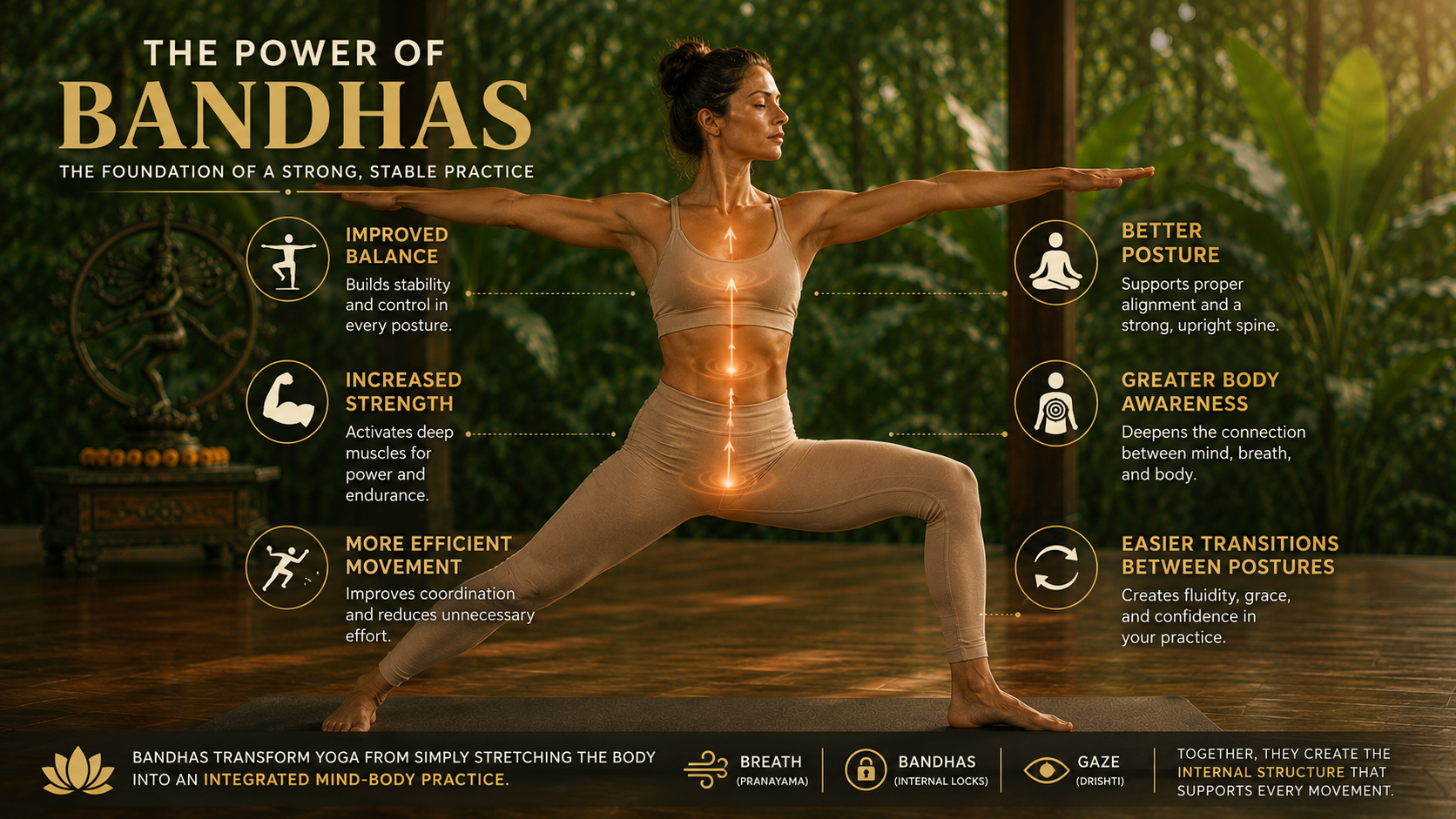
Bandha (बन्ध) means lock, bond, or to bind.
The purpose is not to make the body rigid. It is to create intelligent
internal support while breath and movement remain connected.
Support
Organize the pelvis, abdomen, spine, breath, and movement from within.
Direct
Traditionally, bandhas contain and guide the movement of prana.
Integrate
Help the practice feel connected rather than heavy, fragmented, or forced.
What are bandhas?
In traditional yoga, bandhas are used to contain and direct prana, or life-force energy. They belong to the subtle body teachings of yoga and cannot be reduced entirely to anatomy.
At the same time, students experience bandhas through the physical body: pelvic-floor awareness, lower-abdominal support, breath mechanics, postural organization, and the coordination of movement.
Both perspectives matter. The physical actions offer a place to begin; the deeper understanding develops through practice, concentration, and time.
The three primary bandhas
Each bandha has a traditional energetic role and a corresponding area of physical awareness. They are introduced progressively—not all at once and never through maximal gripping.
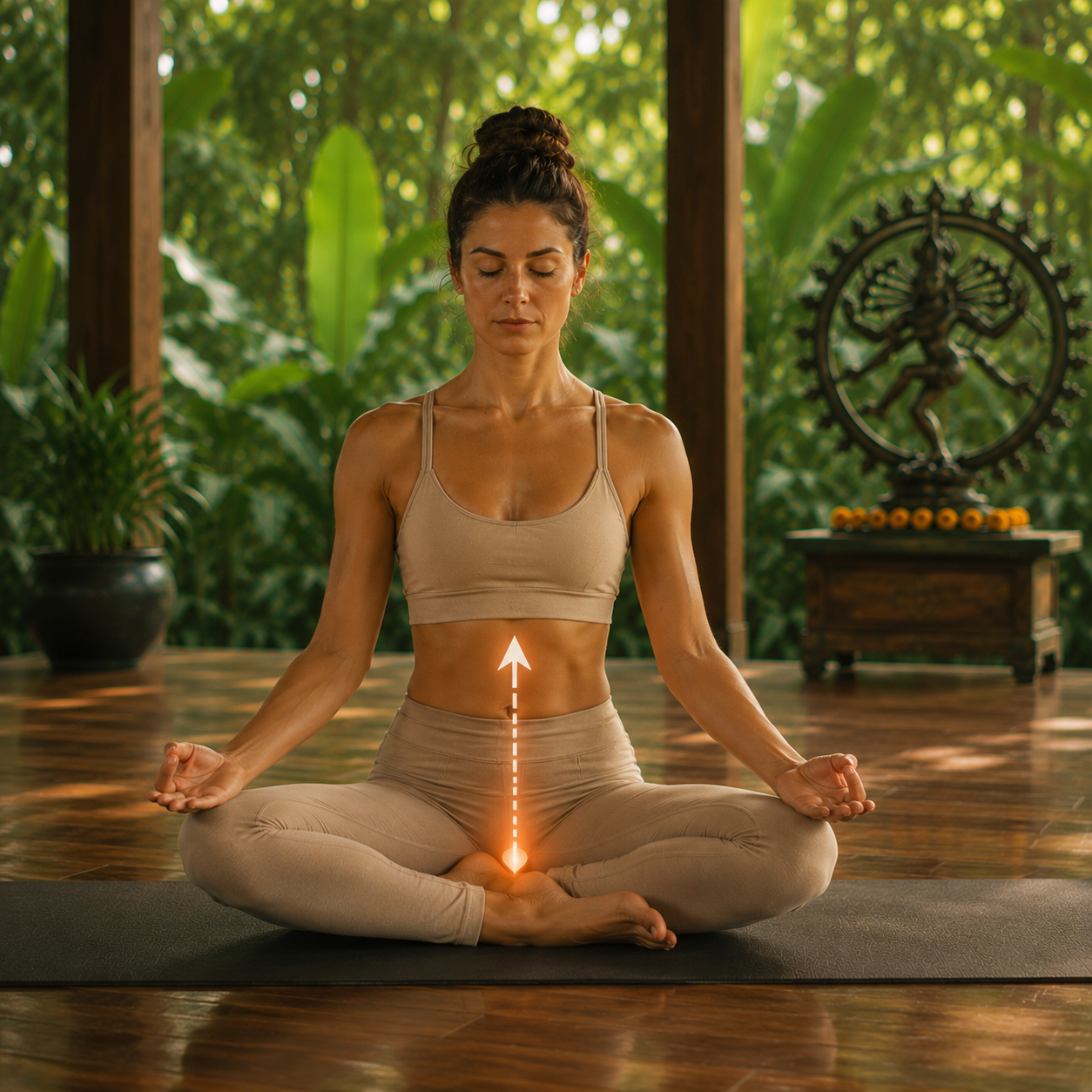
Mula Bandha is associated with the pelvic floor and the energetic root of the body. In practice, it is often experienced as a refined upward lifting sensation rather than a strong squeeze.
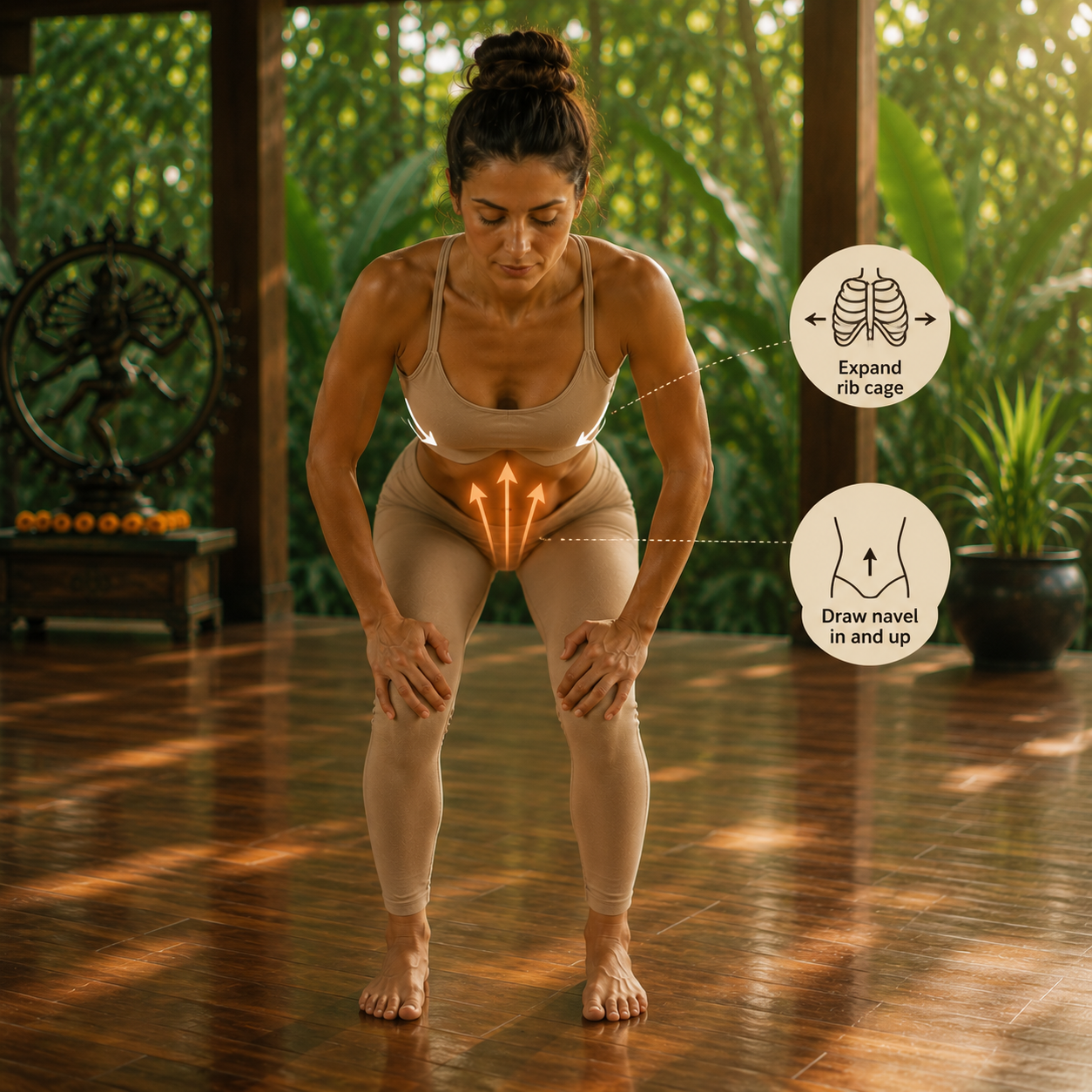
Uddiyana means “to fly upward.” In the flowing Ashtanga practice, students begin by noticing how the lower abdomen naturally responds to the exhale and how gentle internal support can make movement more efficient.
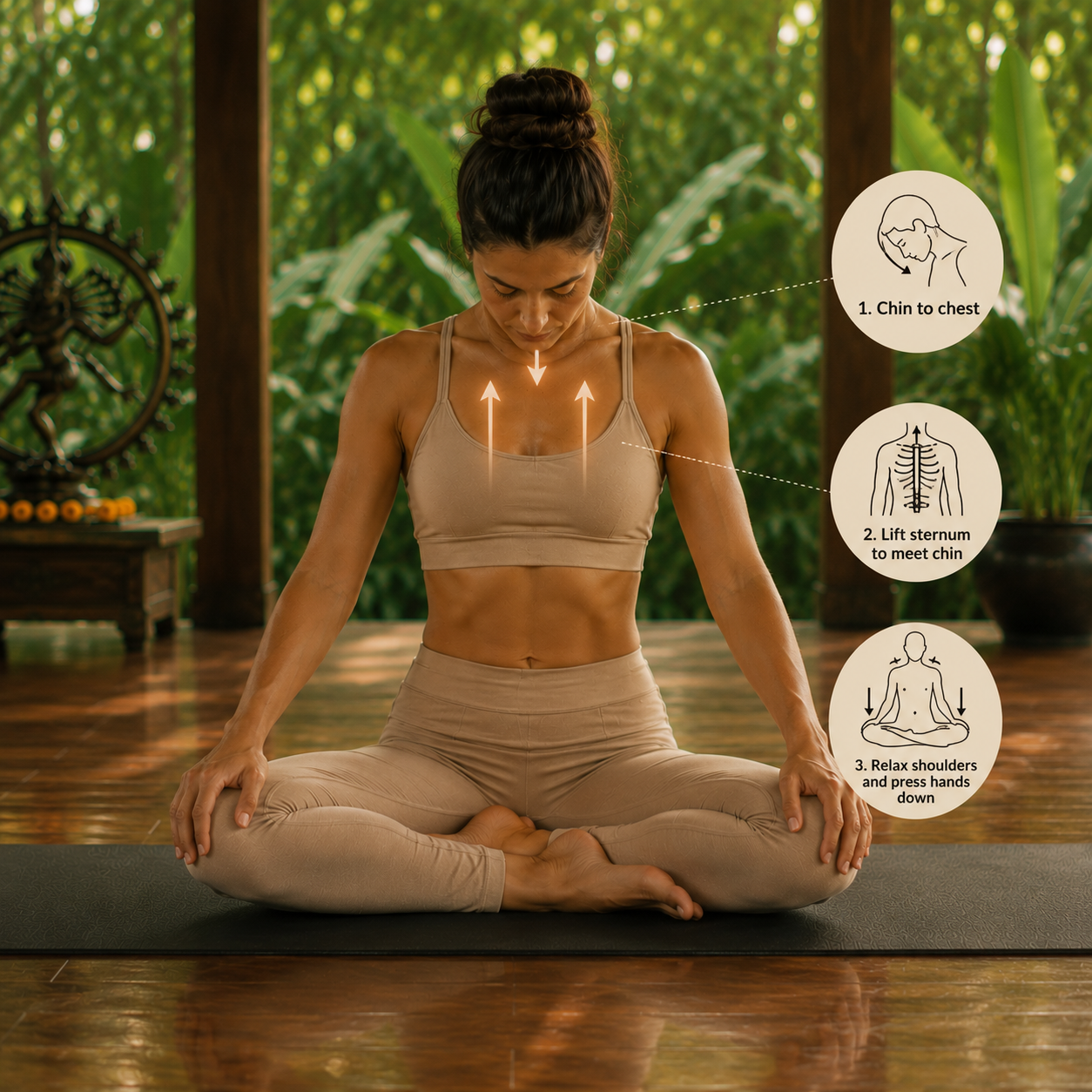
Jalandhara Bandha is most commonly explored in seated pranayama and meditation practices rather than maintained throughout a flowing sequence. It involves a gentle relationship between the chin, throat, sternum, and spine.
Why bandhas matter in Ashtanga
Along with breath and drishti, bandhas help create the internal structure of Ashtanga Yoga. Without this relationship, movement can feel heavy, unstable, disconnected, or driven entirely by external shape.
With practice, students may notice greater balance, postural support, movement efficiency, coordination, and awareness of how effort is organized. The point is not to tense more. It is to use effort more intelligently.
“The body becomes more supported—not more rigid.”
The most important misconception
Bandhas are traditionally energetic locks that have corresponding physical locations. Muscles and movement patterns help us explore them, but forceful gripping can interfere with breathing, create unnecessary tension, and make movement less responsive.
Healthy engagement feels subtle, adaptable, and connected to the breath. Understanding often deepens beyond the purely physical as concentration and practice mature.
How beginners learn bandhas
New students are usually introduced to bandhas indirectly. The teacher helps them breathe steadily, organize posture, coordinate transitions, and notice the pelvic floor and lower abdomen without making the practice overly complicated.
Develop a steady, controlled breathing rhythm through the nose.
Notice what stabilizes the pelvis, abdomen, spine, and transitions.
Learn the difference between useful engagement and unnecessary gripping.
Allow understanding to grow through repetition rather than perfection.
Bandhas and modern movement science
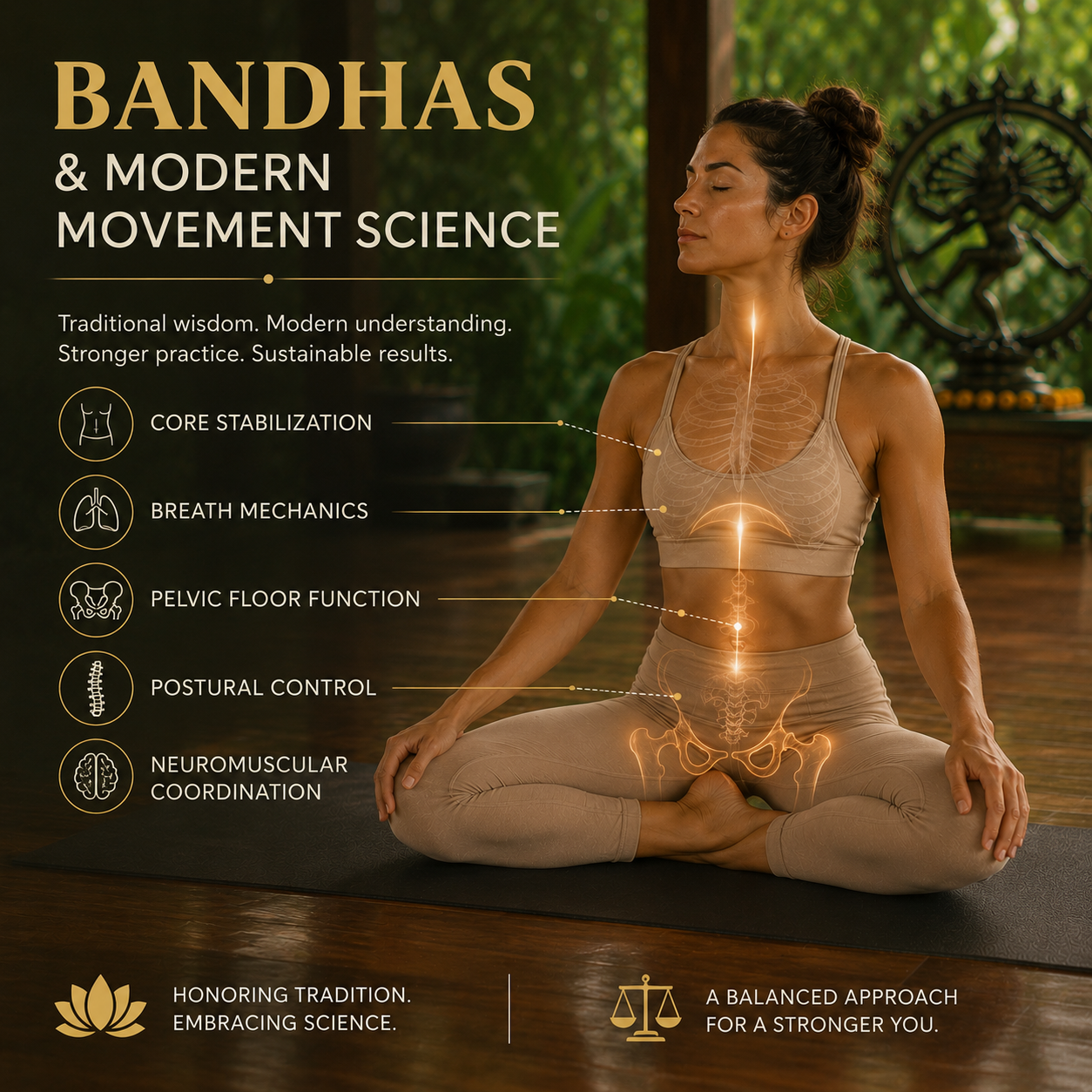
Traditional yoga describes bandhas through prana and the subtle body. Modern movement science may discuss related physical experiences through core stabilization, pelvic-floor function, breath mechanics, postural control, pressure management, and neuromuscular coordination.
These perspectives should not be collapsed into one another. The modern language can help students understand the physical actions, while the traditional language preserves a wider yogic framework that extends beyond biomechanics.
Learning bandhas at The Yoga Shala
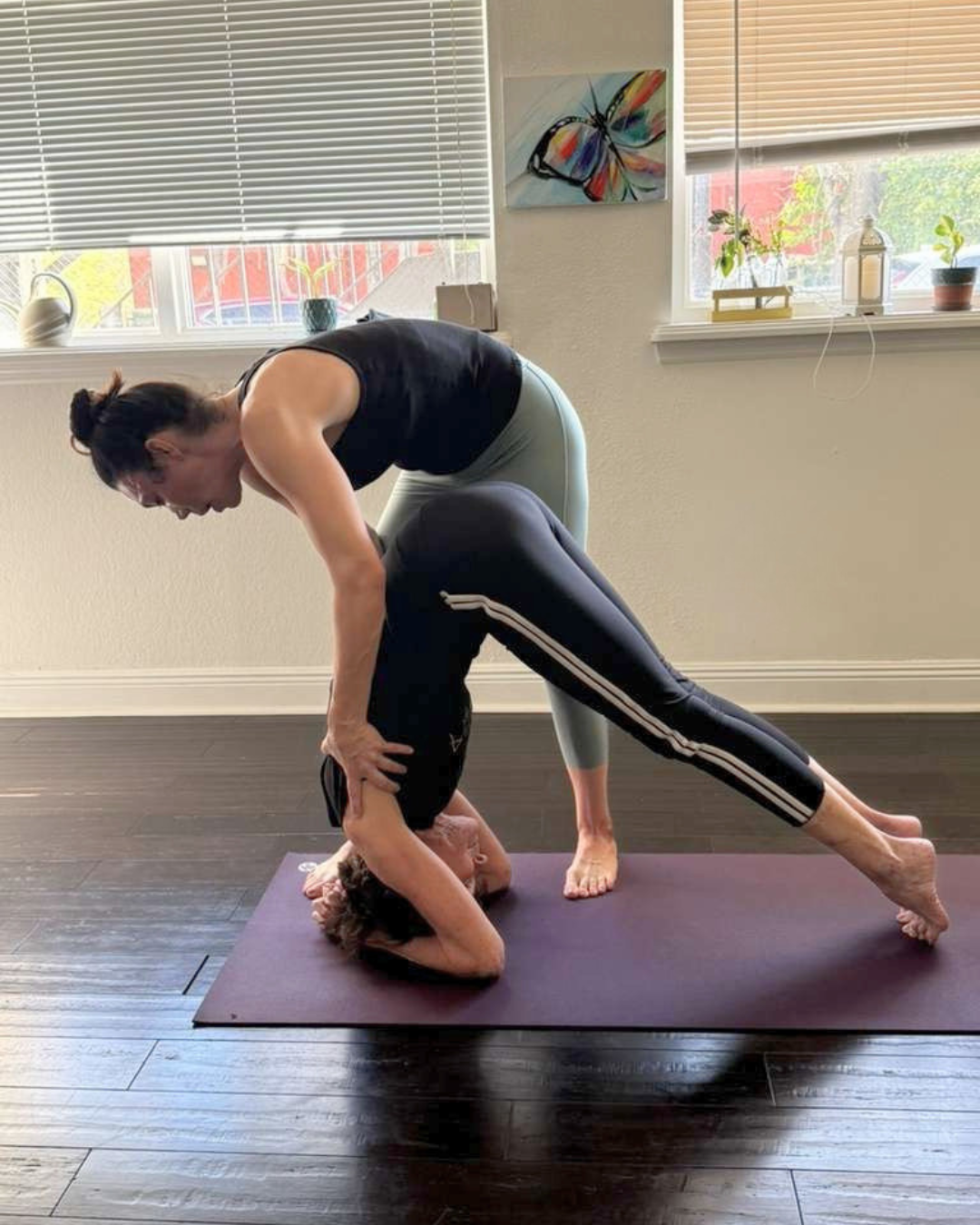
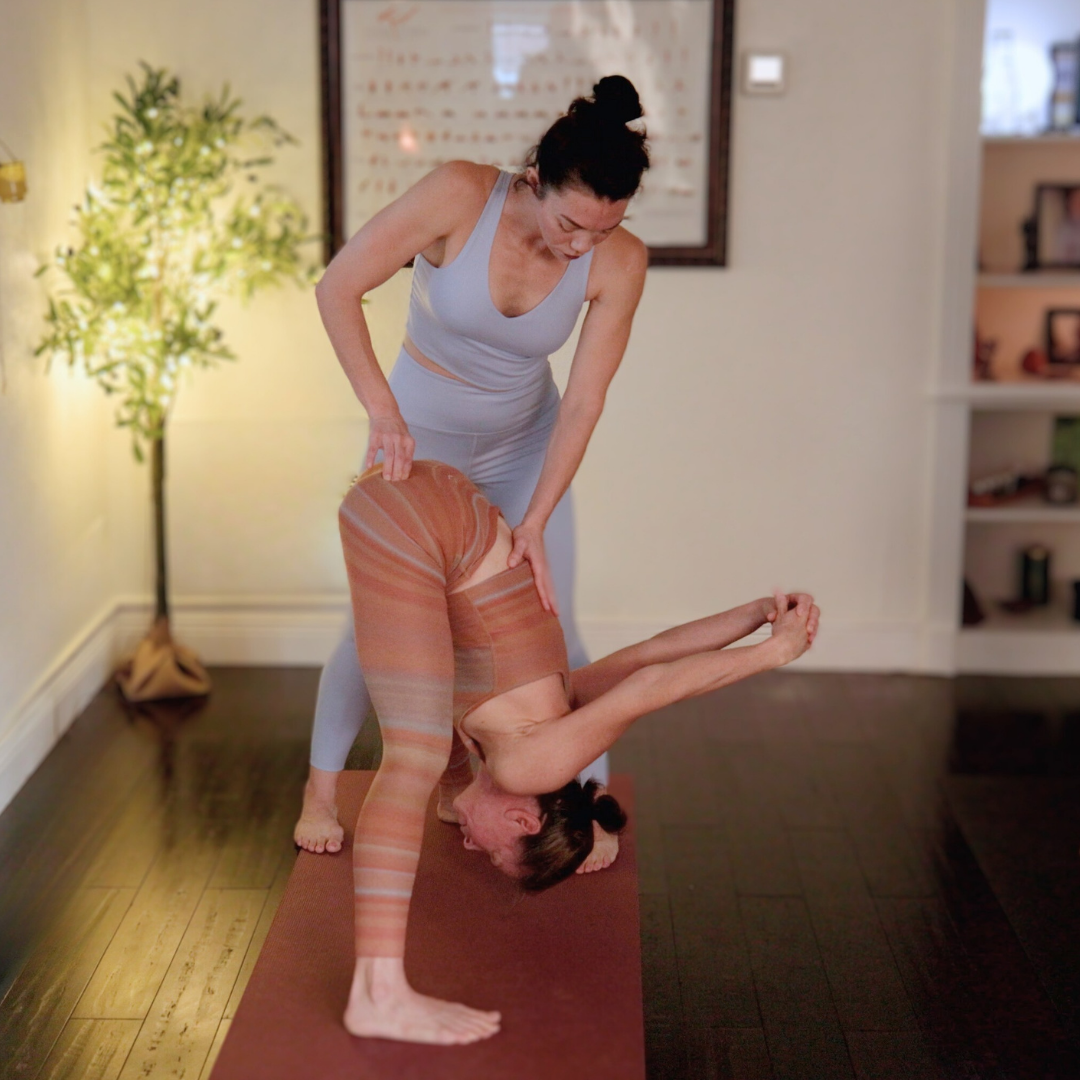
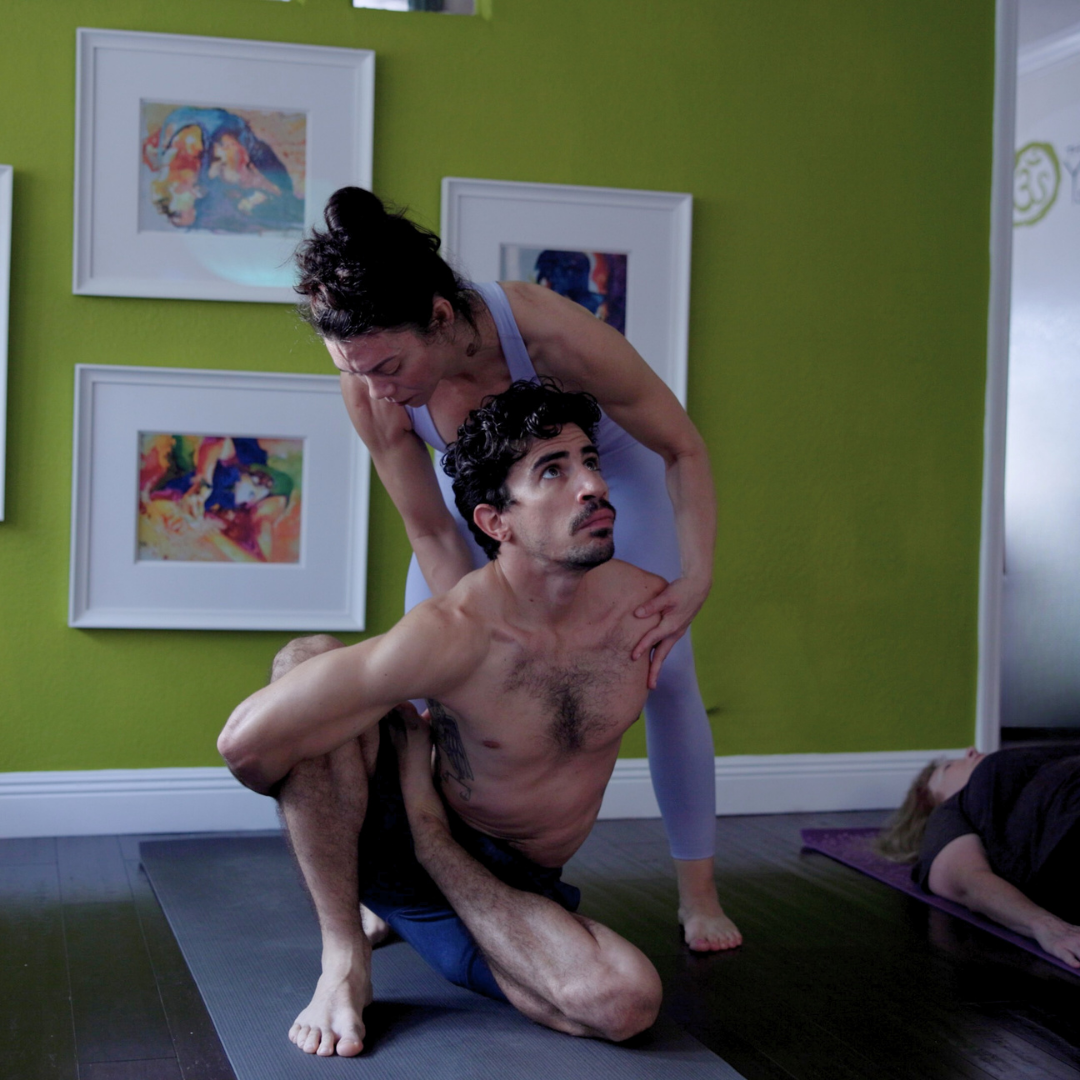
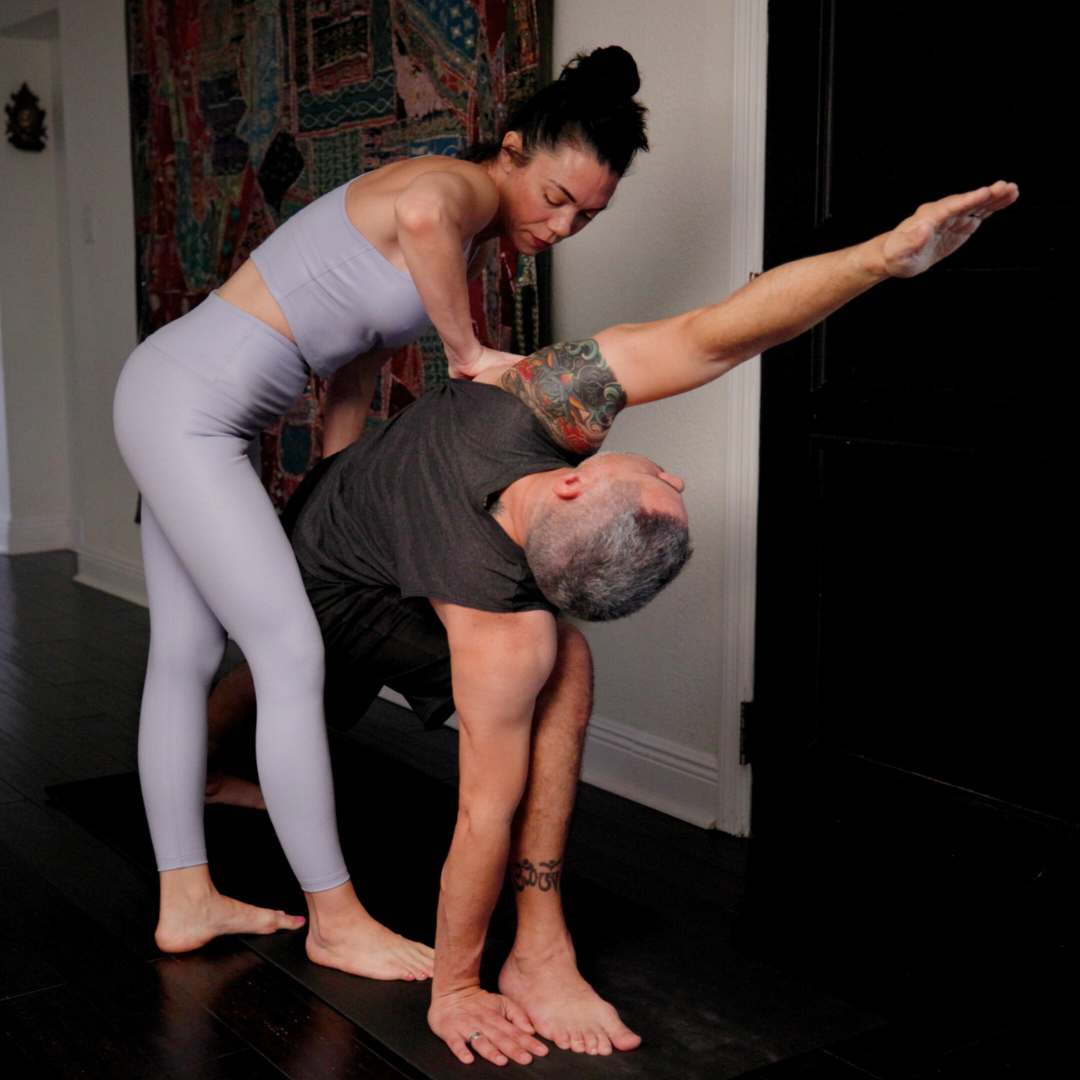
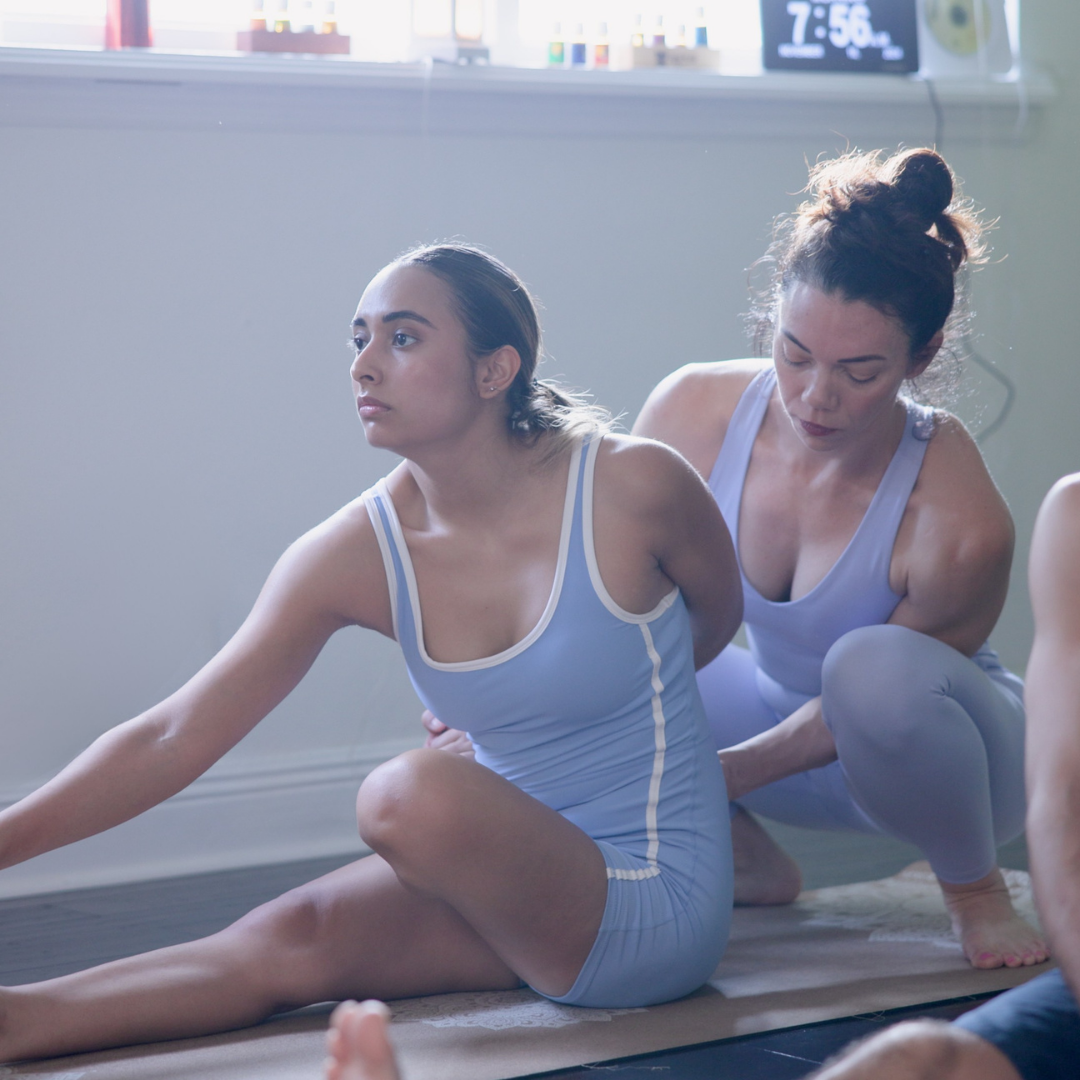
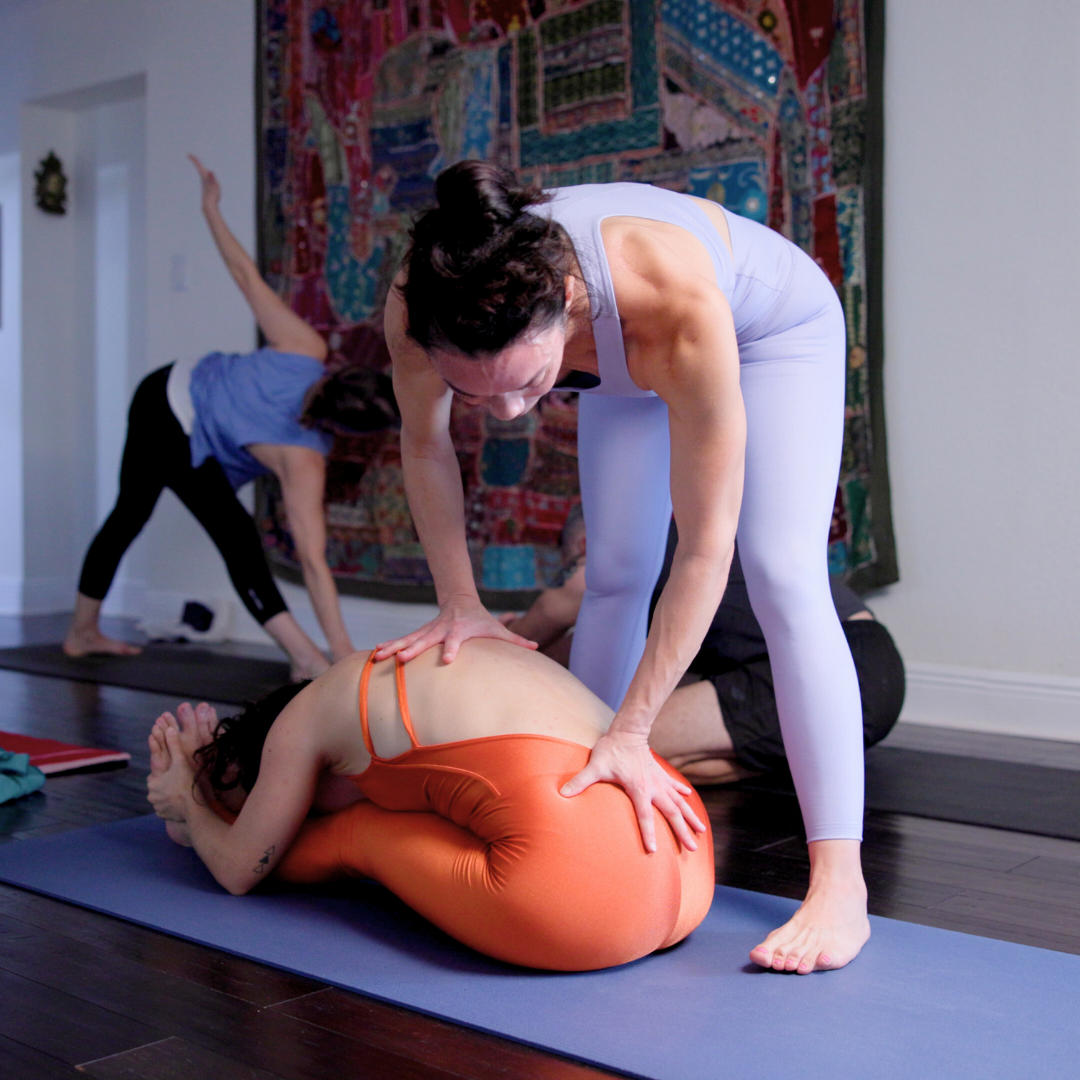
Mysore-style Ashtanga provides individualized instruction inside a shared classroom. That allows Krista to help each student connect bandhas with breathing, posture, transitions, and the specific patterns visible in their own body.
Common questions
Beginners are not expected to create a strong, continuous contraction. Start with breath awareness and a subtle sense of internal support. Bandha engagement changes with the posture, breath, level of effort, and your growing understanding.
Learn the practice from the inside out
Start with four classes for $50 and experience Ashtanga Yoga through progressive instruction, careful observation, and a method taught for the body in front of us.
The Yoga Shala is a body movement studio with a specialized approach, customizing each client's class experience, based on their goals and needs. Our goal is to foster a lighthearted, non-dogmatic, warm and encouraging environment.
Address
Call Us
Contact Us


© 2026 The Yoga Shala - All Rights Reserved.