Physical
Strength, mobility, stamina, coordination, and whole-body awareness.

Ashtanga Yoga Education · The Yoga Shala
Ashtanga Yoga brings posture, breathing, concentration, focused gaze, and meditation into one consistent method. Practiced progressively, it can support strength, mobility, focus, emotional steadiness, and a more connected relationship with your body.
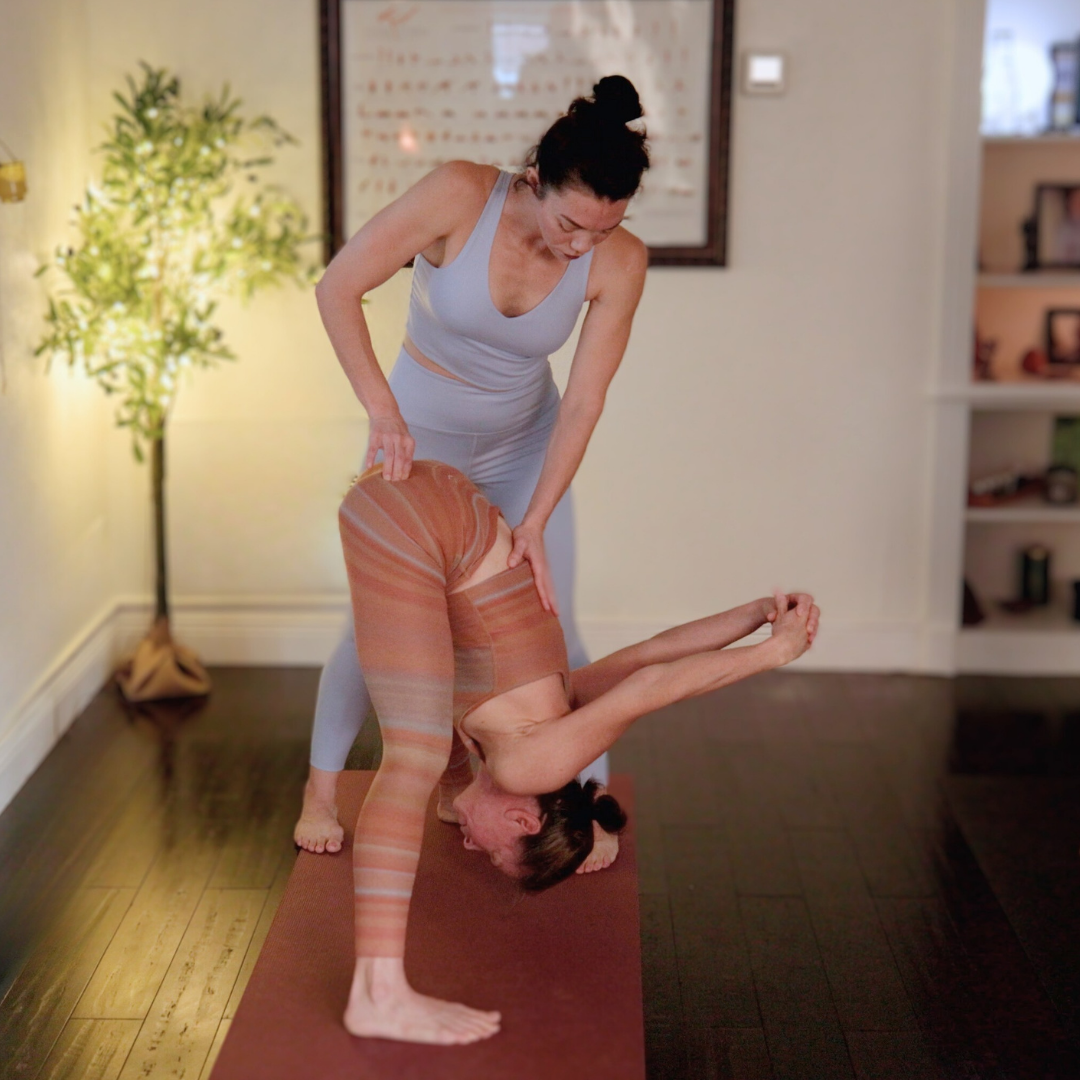
Years connected to Mysore, India.
Krista Shirley teaches Ashtanga through direct study, sustained practice,
and close attention to the person in front of her.
Strength, mobility, stamina, coordination, and whole-body awareness.
Concentration, familiarity, steadier attention, and less mental clutter.
Greater capacity to witness what you feel without reacting automatically.
A yoga of integrated techniques
The benefits of Ashtanga Yoga are often grouped into physical, mental, and emotional categories. Those categories are useful, but they are not truly separate. The breath affects attention. Attention changes movement. Repeated movement builds familiarity. Familiarity creates room to notice effort, habits, reactions, and choice.
Ashtanga is dynamic rather than static: movement and breath are linked through a progressive sequence. When the practice is taught carefully, consistency can become a laboratory for understanding both the body and mind.
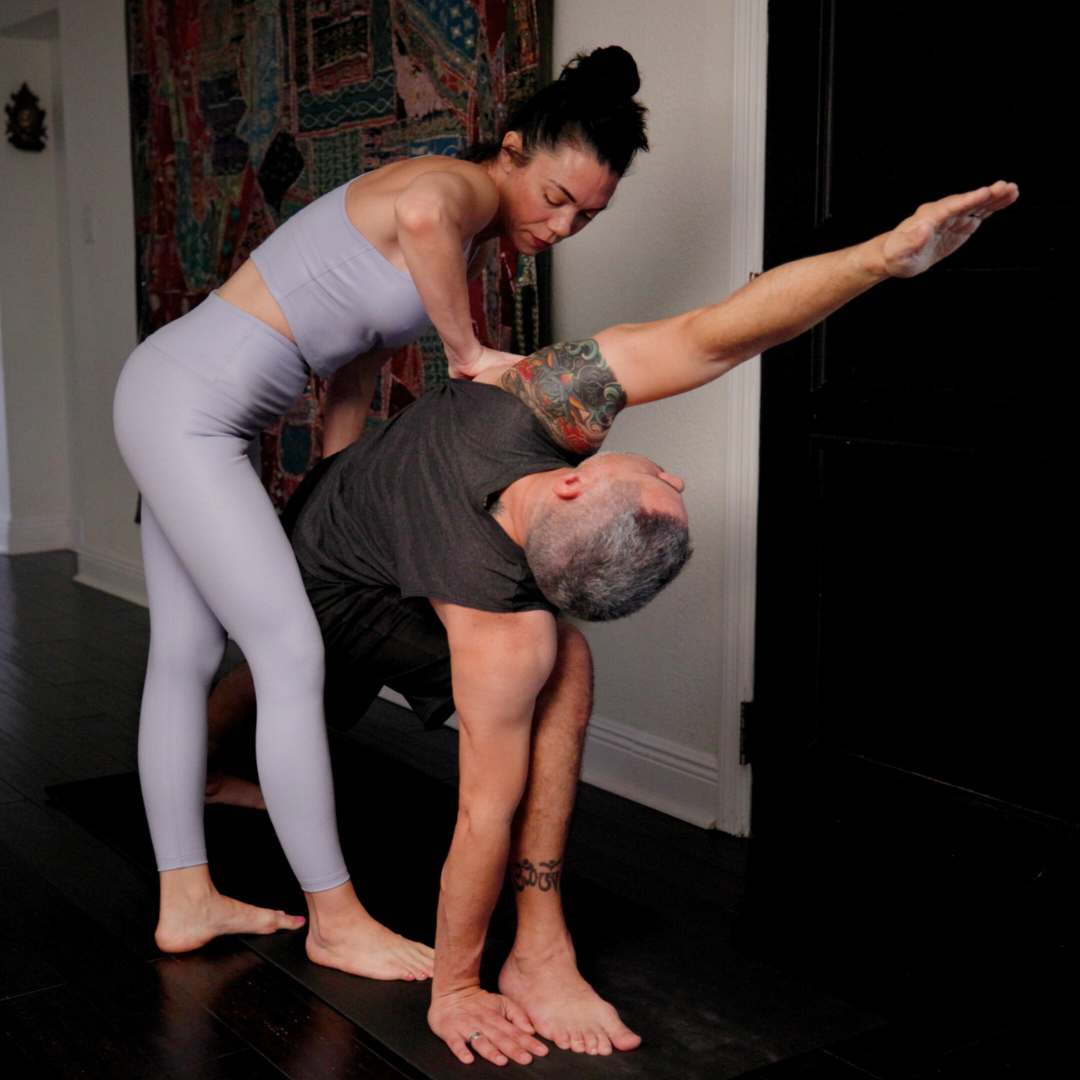
01 · Physical benefits
Many yoga practices are associated primarily with flexibility. Ashtanga also asks the body to bear weight, stabilize joints, coordinate movement, and repeatedly transition with control. Over time, this can build useful strength through the core, shoulders, hips, legs, and entire body.
The repeated sequence also gives you a consistent reference point. You can notice how your balance, stamina, breathing, mobility, and movement quality change rather than beginning with unfamiliar choreography in every class.
Develop support through body-weight movement and progressive load.
Explore range of motion while learning to organize it with greater control.
Build capacity gradually through consistent breath-linked movement.
Integrate breath, gaze, balance, timing, and whole-body action.
02 · Mental benefits
Daily life constantly asks your attention to fragment—work, family, screens, responsibilities, noise, and unfinished decisions all compete at once. A familiar sequence narrows the field. You breathe, move, look, and respond to what is directly in front of you.
As the sequence becomes more familiar, less attention is spent trying to understand what comes next. More attention becomes available for the quality of the breath, the steadiness of the gaze, the organization of effort, and the subtle moment when the mind begins to wander.
“Consistency does not make the practice mindless. It gives you enough familiarity to become more aware.”
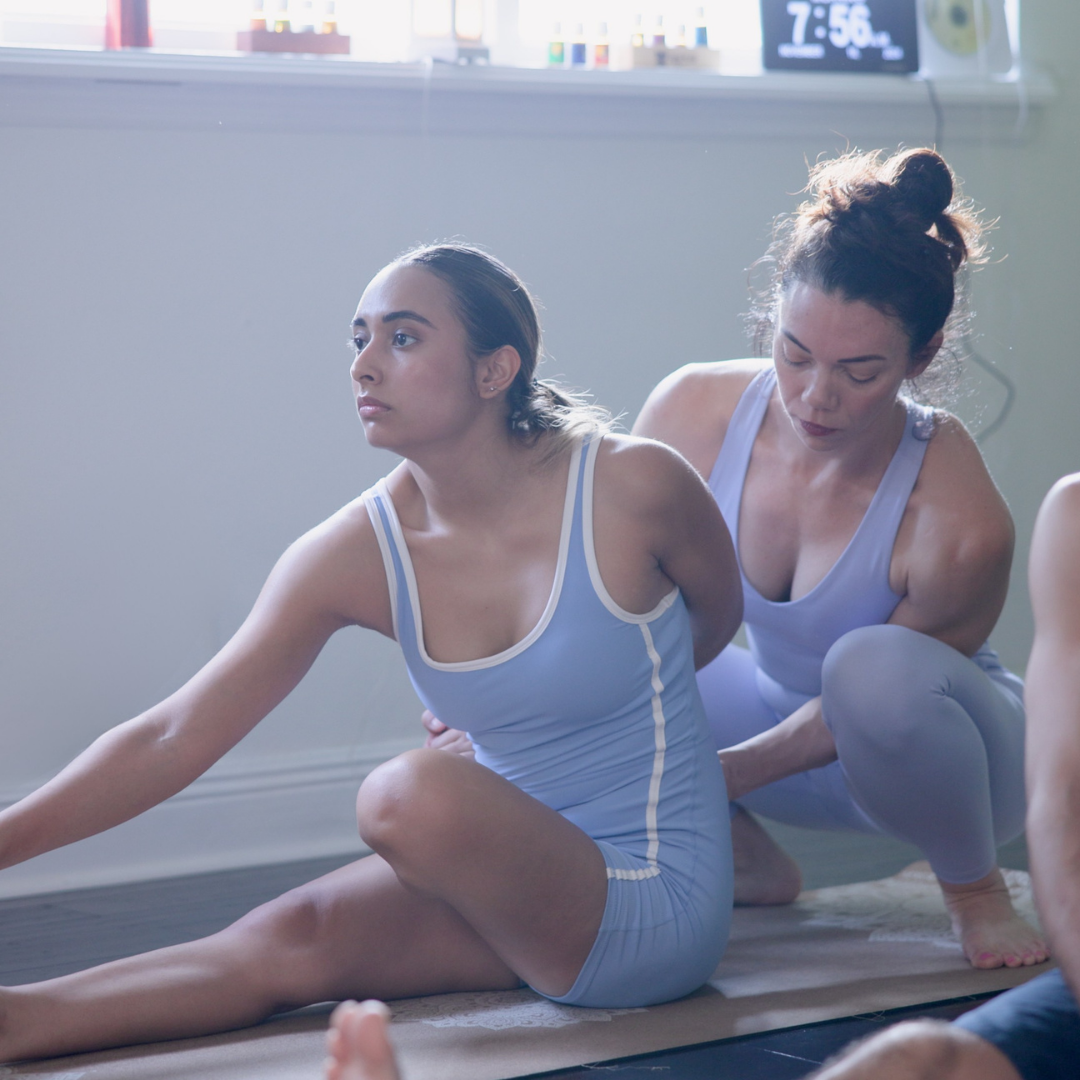
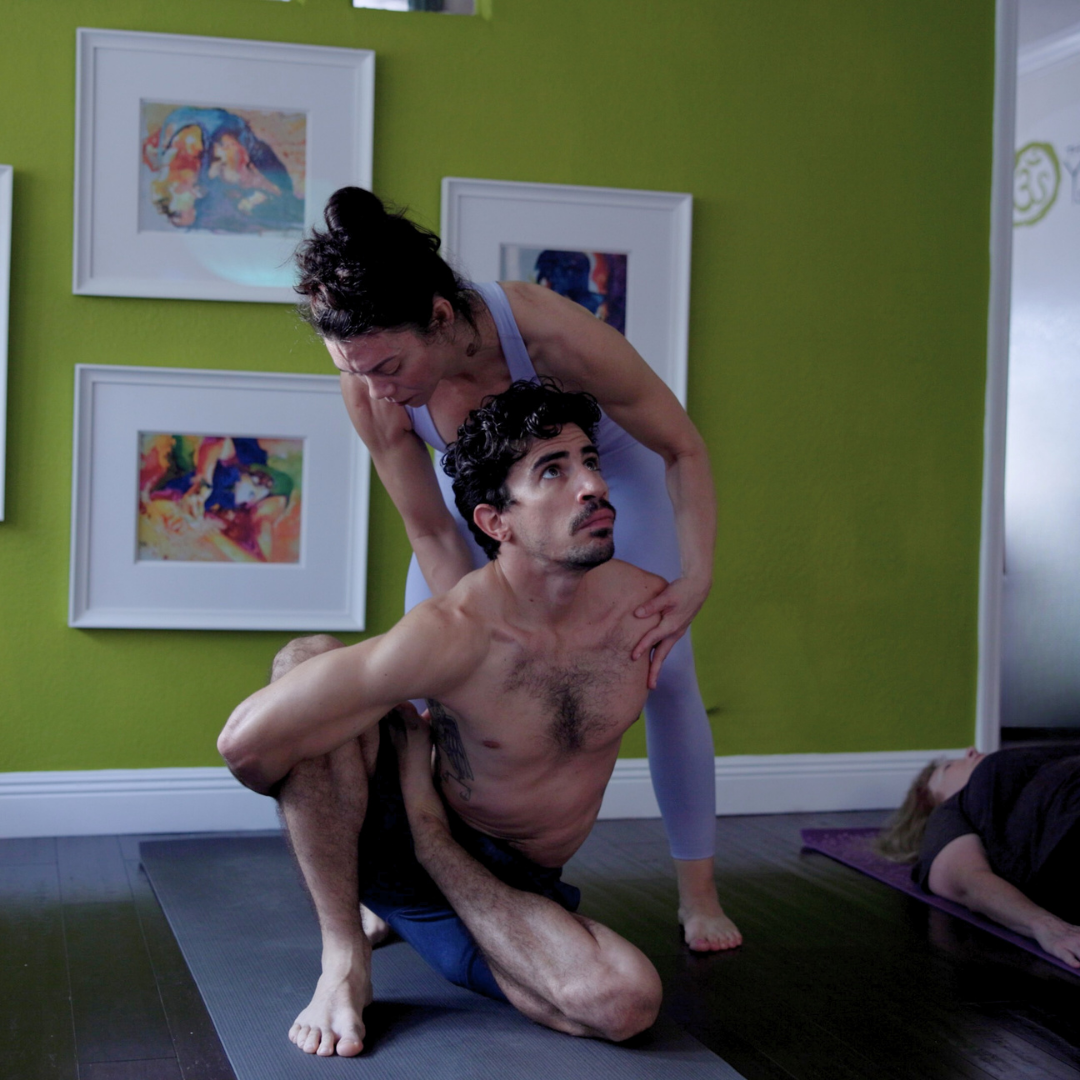
03 · Emotional benefits
The emotional value of practice is not that difficult feelings disappear. It is that you repeatedly experience sensation, effort, frustration, hesitation, confidence, and change while learning to remain present.
Breath and focused attention create a pause between what arises and what you do next. That pause can strengthen your ability to witness an emotion, recognize an old pattern, and choose a response instead of following every impulse automatically.
Recognize sensations, thoughts, and emotional reactions as they appear.
Practice remaining present without immediately escaping or escalating.
Create more room between an internal reaction and your next action.
Why the method matters
The internal techniques are what transform physical exercise into a concentrated, meditative practice.
Postures develop strength, mobility, coordination, balance, and physical awareness.
Breathing organizes pace, effort, attention, and the relationship between postures.
Focused gaze gives the eyes and mind a deliberate place to rest.
Breath-linked transitions connect individual shapes into one continuous practice.
A familiar sequence makes patterns and progress easier to observe over time.
Concentration grows through the repeated act of noticing and returning.
The teaching determines the experience
To benefit from Ashtanga, you do not need to perform the complete series, move at an advanced pace, or copy someone else’s body. The practice should be introduced progressively and shaped around your experience, movement history, injuries, goals, and current capacity.
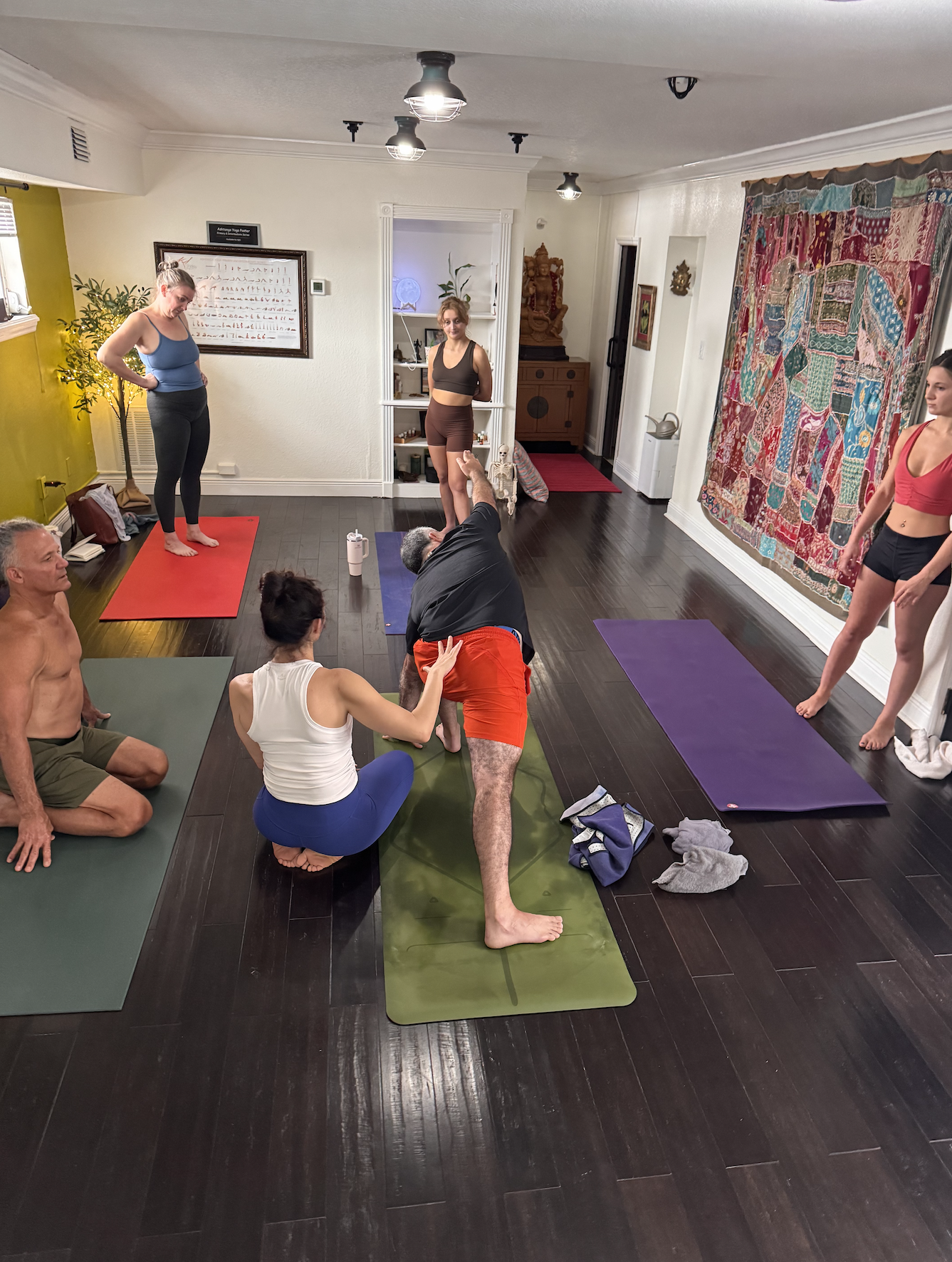
Mysore-style instruction allows a beginner and an experienced practitioner to share the same room while receiving different work. The teacher observes the individual, adds postures gradually, and modifies the practice when needed.
Common questions
Consistency matters more than intensity. Three practices per week can provide a strong foundation for many students. Frequency may gradually increase as your schedule, recovery, interest, and capacity allow.
The simplest way to understand the benefits
Start with four classes for $50 and explore Ashtanga Yoga through personal attention, thoughtful progression, and a traditional method adapted to the person in front of us.
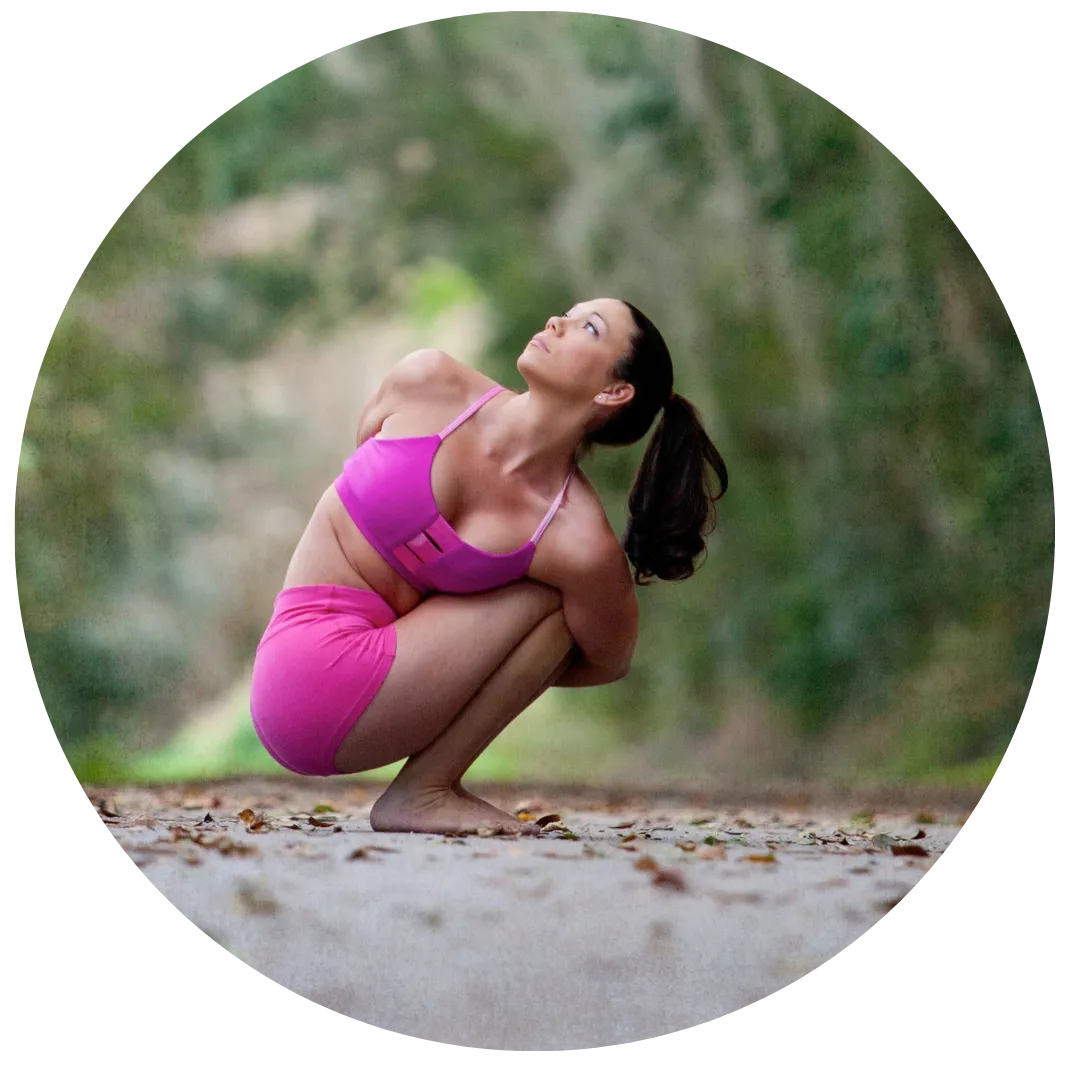
The Yoga Shala is a body movement studio with a specialized approach, customizing each client's class experience, based on their goals and needs. Our goal is to foster a lighthearted, non-dogmatic, warm and encouraging environment.
Address
Call Us
Contact Us


© 2026 The Yoga Shala - All Rights Reserved.