Part One
Mysore with Krista
8:00–10:00 AM
Practice the portion of the Ashtanga sequence you have learned while receiving individualized instruction based on your body, experience, and current practice.

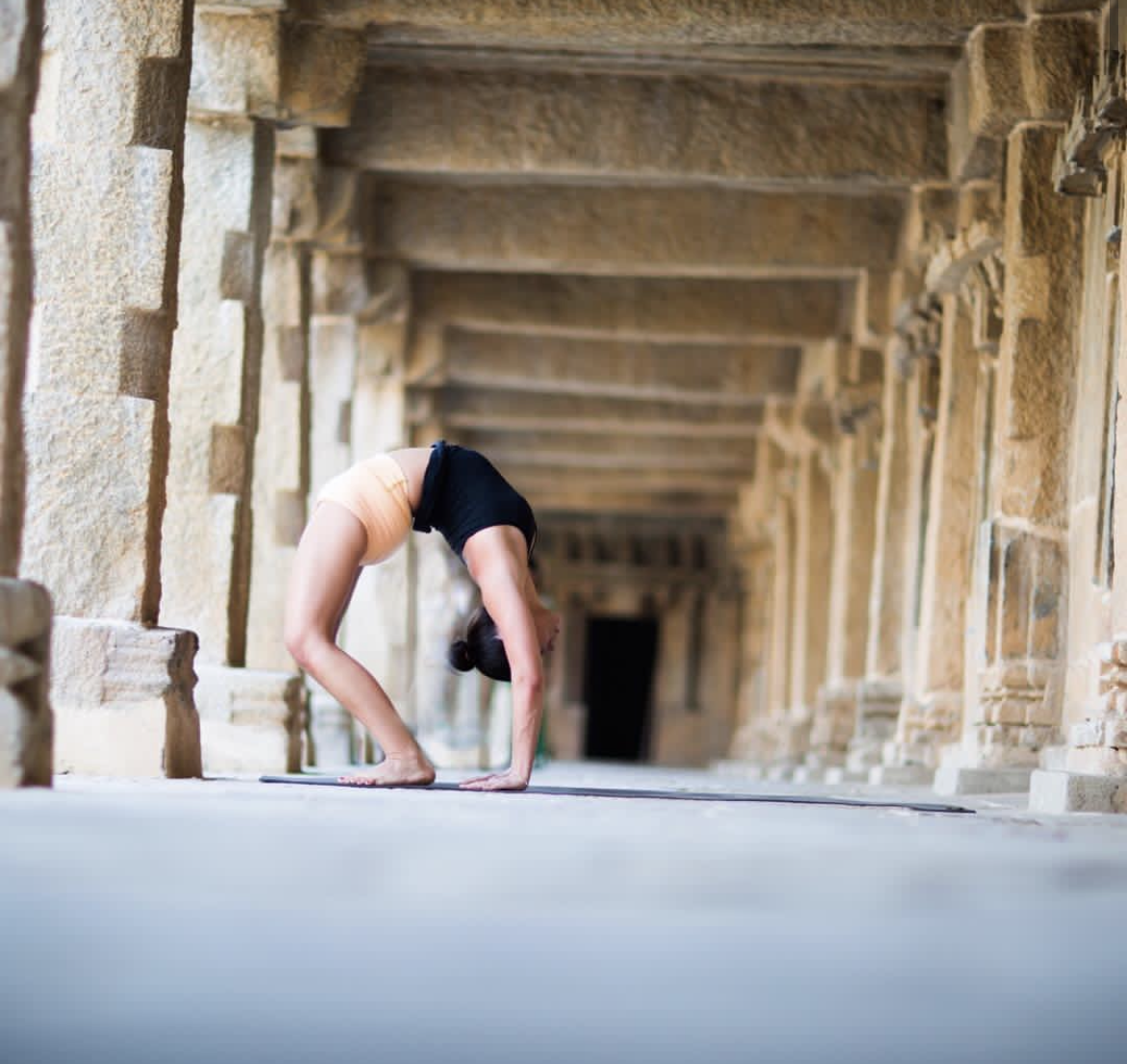
A complete morning of Mysore practice followed by an interactive exploration of stability, breath, strength, and intelligent backbending. Join us for the full experience, or choose either session on its own.
Most people try to bend farther. Very few learn how to move better.
Healthy backbending is not simply about creating a larger shape. It is about organizing the body, controlling weight, and moving through space without abandoning the foundation beneath you.
In this masterclass, we will explore backbending from the pelvis outward—learning how stability, breath, strength, and movement organization allow the spine to extend without relying on momentum or force.
Mysore practice and the focused two-hour masterclass are designed to complement one another, while each session may also be attended on its own.
Practice the portion of the Ashtanga sequence you have learned while receiving individualized instruction based on your body, experience, and current practice.
Explore how the pelvis, legs, breath, spine, and shoulders work together to create backbends that feel organized and supported.
Join the full morning for $85, or choose either session separately below.
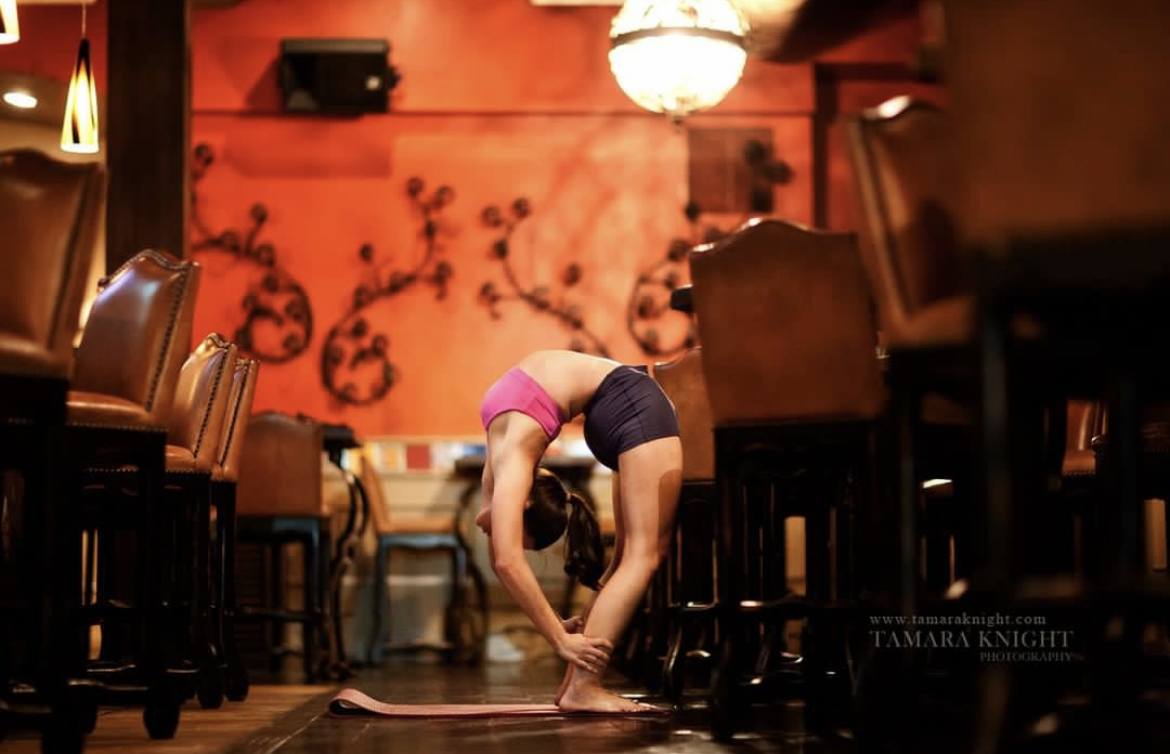
The pelvis must shift forward as the upper structure moves backward. This relationship allows you to control your weight instead of simply surrendering to gravity.
We will examine how the feet, legs, pelvis, breath, spine, and shoulders work together—and how losing that foundation can create fear, compression, or unnecessary strain.
We will take apart the physical and psychological components of backbending so you can better understand what your own body needs.
Why moving backward can feel disorienting and how organization creates control.
How the pelvis directs your center of gravity and keeps you connected to the ground.
Why organized legs are essential for supporting the spine when entering and exiting.
How the breath changes under threat and how it can support steadiness and control.
Distribute extension through the thoracic spine, rib cage, and shoulder girdle.
Understand how the front of the hips and thighs contribute to a supported backbend.
Recognize the difference between muscular limitation, structure, compression, and habit.
Use appropriate variations to explore the same principles in different bodies and poses.
This masterclass is for practitioners who want to understand backbending more clearly—whether you are cautious, fearful, experienced, working with limitations, or refining advanced postures.
Feel where extension occurs, where stability is lost, and where compensation appears.
Use the wall for feedback, orientation, and a clearer relationship to balance.
See direction, timing, and movement organization before exploring them yourself.
Move from foundational patterns toward an appropriate level of challenge.
We may draw from Ustrasana, Laghu Vajrasana, Urdhva Dhanurasana, Kapotasana, standing backbends, and accessible variations. The goal is not for every student to perform every pose, but to understand the shared principles behind them.
Attend the full morning, or choose Mysore or the masterclass on its own. The masterclass may be attended in person or live through Zoom.
Space is limited so the Mysore room remains personal and the masterclass leaves room for movement exploration, individual application, and meaningful questions.
Book the 8:00–10:00 AM Mysore practice separately.
Join the 10:30 AM–12:30 PM masterclass without the morning Mysore practice.
Masterclass Only · $60Joining the masterclass via Zoom? Register for either the Full Event or Masterclass Only, then email [email protected] and Krista will send you the Zoom link.
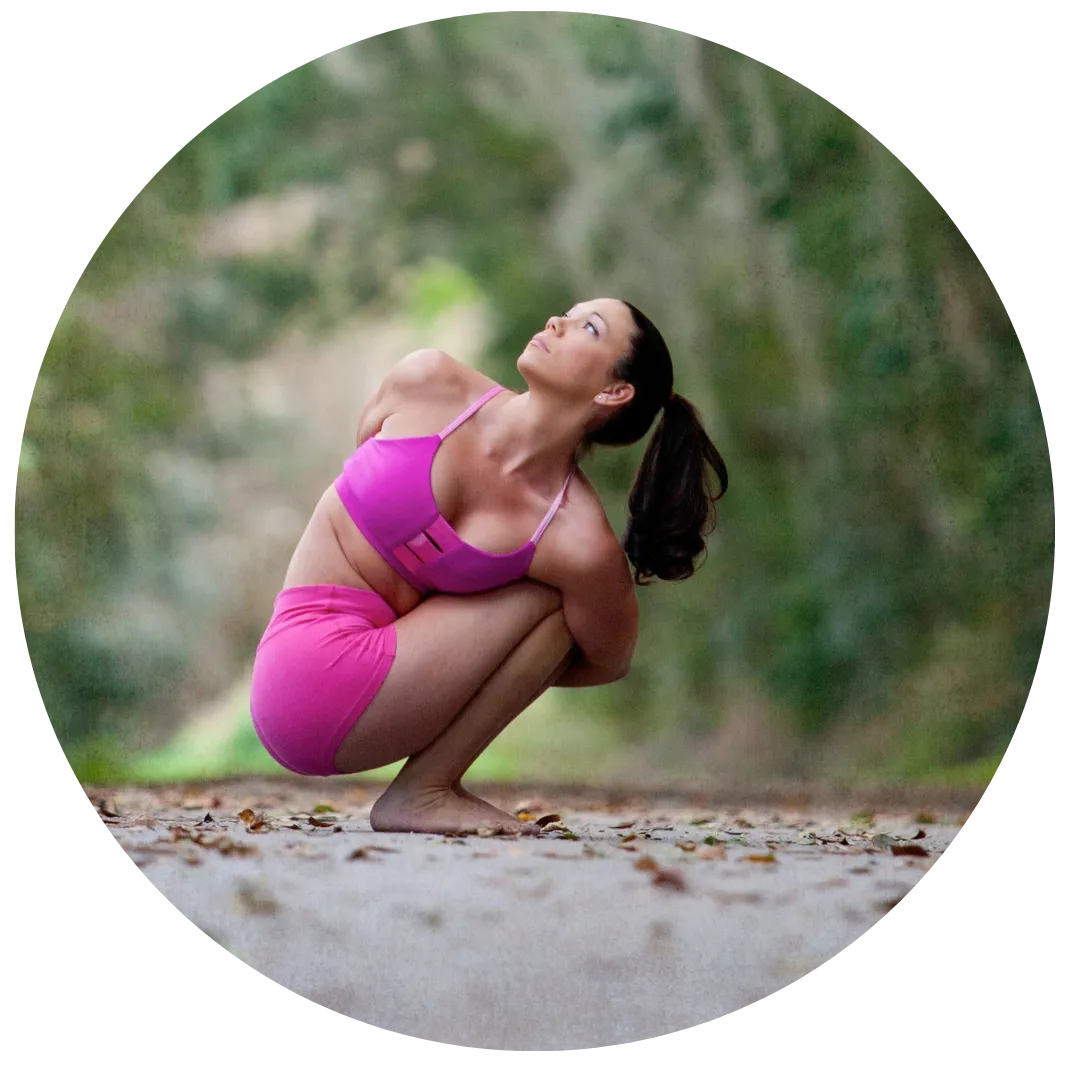
The Yoga Shala is a body movement studio with a specialized approach, customizing each client's class experience, based on their goals and needs. Our goal is to foster a lighthearted, non-dogmatic, warm and encouraging environment.
Address
Call Us
Contact Us


© 2026 The Yoga Shala - All Rights Reserved.