01 · INWARD
Nasagrai
Tip of the nose
A soft, inward gaze that reduces peripheral distraction and helps attention settle with the breath.
Often explored inSamasthiti, backbending transitions, and many forward-facing postures.

Drishti is the intentional placement of the eyes during practice. It steadies attention, supports balance, and helps gather breath, body, and mind into one experience.
In Ashtanga Yoga, every posture has an intended direction for the gaze. The eyes remain relaxed while attention is gently gathered toward one point.
When the eyes stop searching the room, the mind has fewer places to go. Drishti can make balance feel steadier, transitions more deliberate, and the entire sequence more inwardly focused. It is one of the traditional supports of the practice alongside breath and bandhas.
Give visual attention one simple destination instead of allowing it to wander.
Reduce comparison and distraction so awareness can remain with breath and movement.
Use the gaze as an organizing thread through posture, balance, transitions, and stillness.
Pārśva means “to the side.” The gaze may travel right or left depending on the posture, but it remains one of the eight traditional drishtis.
The exact visual target matters, but the quality matters just as much. Keep the eyes quiet, the face relaxed, and the breath uninterrupted.
A soft, inward gaze that reduces peripheral distraction and helps attention settle with the breath.
The gaze lifts toward the brow center without aggressively crossing the eyes. It is associated with concentration and inner observation.
Following the thumbs organizes the line of attention through the arms, upper spine, and space above the body.
The eyes follow the hand to strengthen coordination and make the relationship between gaze, spine, and reaching arm more deliberate.
The side gaze accompanies rotation in either direction without asking the neck to forcefully turn beyond what the rest of the spine can support.
Directing the gaze toward the center of the body gathers attention inward and reinforces the relationship between the trunk and breath.
The eyes lift without compressing the back of the neck, supporting an open and spacious quality through upward-reaching shapes.
The gaze travels toward the feet, helping the practitioner remain oriented and inwardly attentive during folding shapes.
Drishti should help the nervous system settle into the practice—not create more tension. The point is steadiness with responsiveness, not rigid fixation.
Forcing the eyes to lock onto a point can create tension through the brow, jaw, face, and neck. If the gaze feels sharp or uncomfortable, soften it. Drishti is awareness—not strain.
When the eyes continually scan the room, attention often follows. A steady visual anchor can reduce comparison, improve balance, and make it easier to remain present with your own practice.
When the eyes become quiet, the practice begins to turn inward.
You do not need to memorize all eight drishtis before beginning Ashtanga. Drishti is introduced progressively, just like the sequence itself.
Become oriented in the posture and make sure you can breathe comfortably.
Your teacher can identify the intended gaze without expecting perfection.
Observe whether the posture feels steadier, quieter, or more internally connected.
Understanding becomes more refined through repetition—not through forcing it all at once.
At The Yoga Shala, the traditional foundations of Ashtanga are taught through individualized, practical guidance. Beginners and experienced practitioners receive support appropriate to their body, experience, and pace.
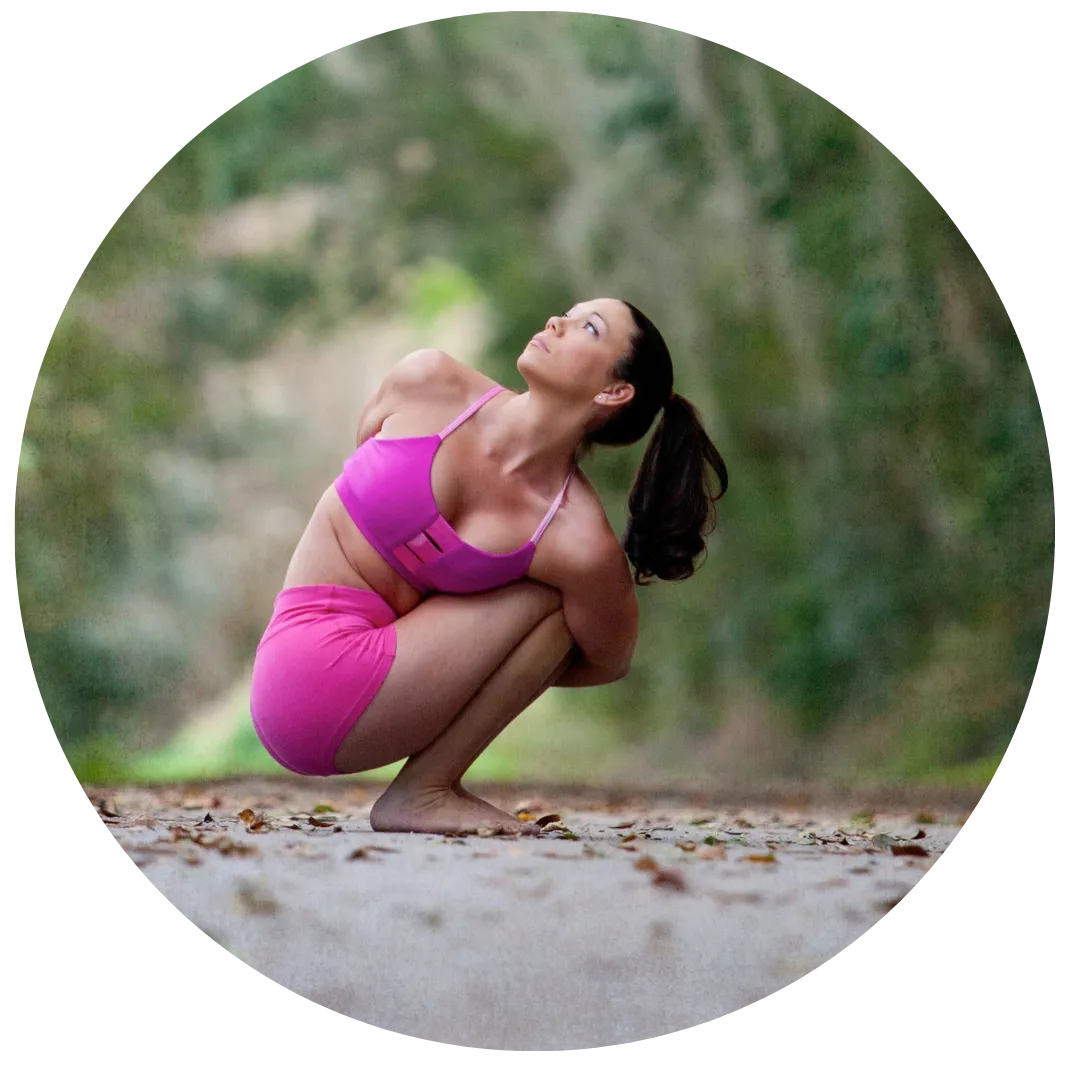
The Yoga Shala is a body movement studio with a specialized approach, customizing each client's class experience, based on their goals and needs. Our goal is to foster a lighthearted, non-dogmatic, warm and encouraging environment.
Address
Call Us
Contact Us


© 2026 The Yoga Shala - All Rights Reserved.